Nepal’s Economy Grows 3.85% as Public Debt Climbs to Rs 2.98 Trillion
Nepal recorded real economic growth of 3.85% in FY 2025/26, with its GDP reaching Rs 6.6 trillion, according to the Ministry of Finance’s annual Economic Bulletin. While remittance inflows and foreign exchange reserves increased substantially and the budget deficit narrowed, public debt rose to 45.18% of GDP and capital expenditure fell to a five-year low.
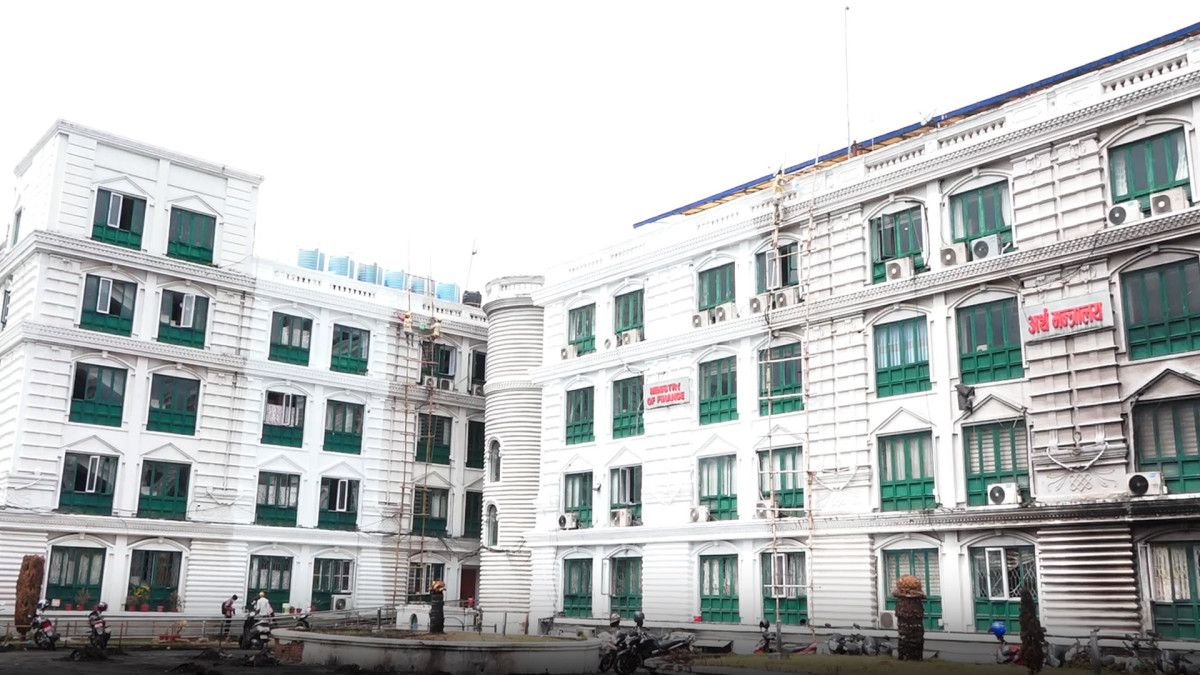
Nepal’s real gross domestic product (GDP) grew by 3.85% in fiscal year 2025/26 (FY 2082/83), reaching Rs6.6 trillion, according to the annualEconomic Bulletin published by the Ministry of Finance. The growth ratewas lower than the 4.43% recorded in the previous fiscal year and theaverage annual growth rate of 4.53%over the past decade. Average consumer inflation declined to 3.07%, compared with 4.06% a yearearlier,while average wholesale inflation stood at 4.27%. Remittance inflows increased by 37.1% to Rs 2.363trillion, equivalent to 35.8% of GDP, whileforeign exchange reserves rose by 45.6% to Rs 3.898 trillion,representing 59.1% of GDP. Per capita GDP reached US$1,513, and per capita grossnational disposableincome stood at US$2,044. In the external sector, the current account recorded a surplus of Rs 923.6billion, or 13.99% ofGDP, while the balance of payments posted a surplus of Rs 1.027 trillion. However,Nepal’s merchandise trade deficit remained substantial at Rs1.781 trillion, with imports totaling Rs 2.096trillion against exports of Rs 315 billion. On the fiscal front, the federal government collected Rs 1.241trillionin revenue, up 5.21% from the previous year, while total government expenditure increased by 3.18% to Rs1.561 trillion. Outstanding netpublic debt reached Rs 2.9817 trillion, equivalent to 45.18% of GDP, up from43.13% in the previous fiscal year. Capital expenditure performanceremained weak, with only 47.04% of theallocated capital budget spent—the lowest proportion in five fiscal years. Overall budgetexpenditurereached 79.50% of the allocated amount. Despite these spending challenges, the budget deficitnarrowed to Rs 320.09 billion, or 4.85% of GDP,compared with Rs 333.43 billion, or 5.38% of GDP, in theprevious fiscal year. The figures highlight a mixed economic picture, with strongerremittance inflows, risingforeign reserves, and lower inflation alongside slower growth, a persistent trade imbalance, increasing publicdebt, andweak capital spending.