From Texas Trading Rooms to Nepal's Stagnant Market: Why Nepal Must Shift Away from Control-Oriented Policies
Renowned analyst Arun Kumar Subedi has called on Nepal to launch its second phase of economic liberalization by welcoming Foreign Institutional Investors (FII) into the secondary share market. Drawing insights from modern university trading infrastructure in the US and India's landmark 1991 economic reforms, Subedi argued that moving away from obsolete, control-oriented policies is no longer just an option for Nepal, but a mandatory requirement to sustain and diversify its financial sector.
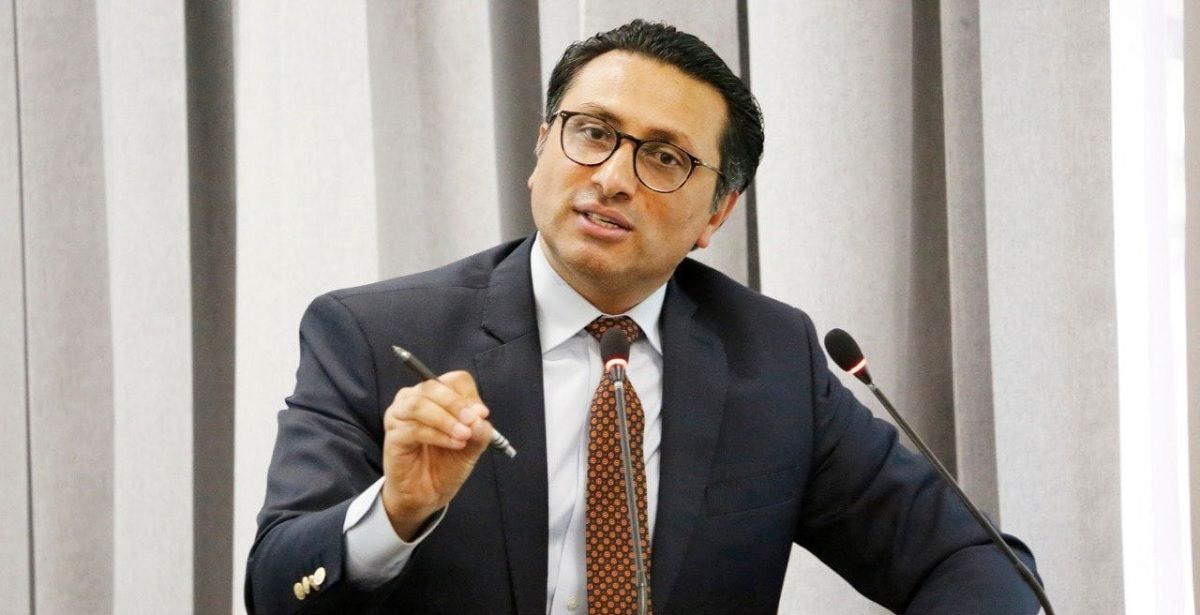
he growth of Nepal's capital market has hit a structural ceiling due to archaic, restrictive regulations that limit market participation to individual retail investors and a small pool of domestic institutions. Highlighting his recent observation of an advanced student-run 'Trading Room' at the University of North Texas, analyst Arun Kumar Subedi pointed out the deep division between global financial integration and Nepal's isolationist policy framework. Subedi stated that domestic capital is no longer sufficient to balance market demand and supply, especially if large-scale real sector industries and infrastructure projects are to be listed. By referencing India's successful 1991 economic opening under PM Narasimha Rao, he emphasized that granting FIIs entry would inject vital international capital, boost tech adoption, and mature the domestic market. Subedi also rejected bureaucratic anxieties regarding tax evasion and capital flight, stating that broader market diversification into commodities, bullion, and digital assets would ultimately maximize government revenue through transaction and capital gains taxes, while stopping the flight of young talent to informal offshore trading platforms.