LPG Crisis Deepens: More Gas Imports, Yet Empty Cylinders Pile Up
Nepal is facing a severe LPG shortage despite Nepal Oil Corporation (NOC) reporting that gas imports have increased well above normal levels. Consumers are struggling to find LPG, while dealers blame inadequate distribution and poor government management.
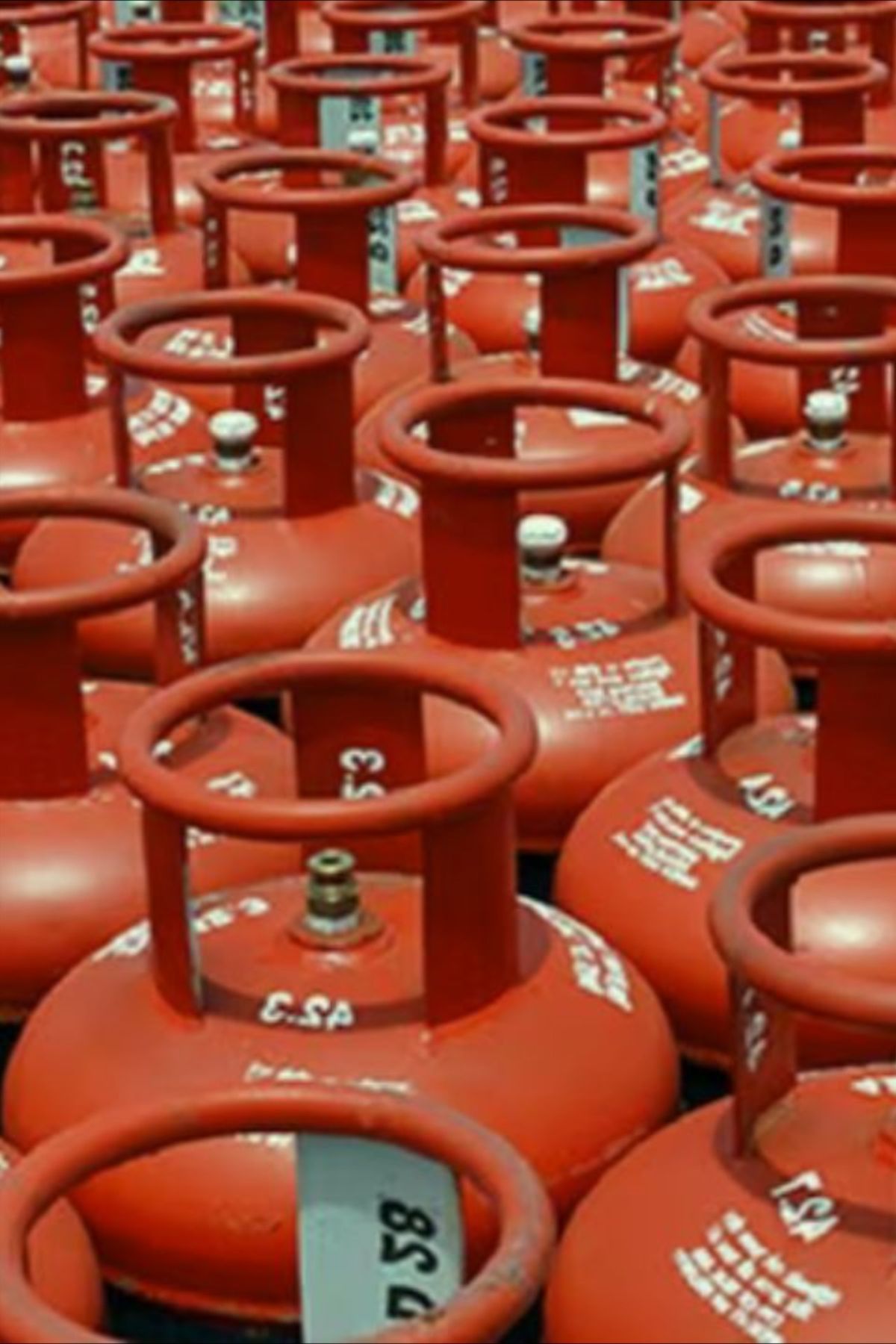
The LPG shortage has intensified across Kathmandu Valley and other parts of Nepal, leaving consumers queuing for hours and visiting multiple dealers with empty cylinders. Nepal Oil Corporation says there is no shortage in imports, with daily supplies rising from the usual 80–85 bullets to more than 100, and reaching as high as 135 bullets on some days. However, the increased supply has failed to meet an unusually high surge in demand. The corporation has therefore started direct LPG sales through temporary distribution points across the Kathmandu Valley, but the limited quantities have done little to ease the pressure. The current crisis is largely linked to the earlier policy of selling half-filled cylinders, which reduced consumption and created an estimated backlog of 2.5–3 million empty cylinders. After the government returned to full-cylinder distribution, those cylinders entered the market almost simultaneously, triggering a sharp spike in demand. While NOC maintains that dealers are still receiving their regular quotas, dealers argue that supplies are insufficient and that they have been unable to meet consumer demand for weeks. The government's decision to sell LPG directly through roadside distribution centers has also drawn criticism, with stakeholders arguing that the government should focus on improving supply management, distribution transparency and market monitoring rather than acting as a retailer. The requirement for a National Identity Card to purchase LPG from government outlets has further added to public frustration. Overall, the crisis highlights a widening gap between official supply figures and the reality faced by consumers, raising questions over whether Nepal's LPG problem is primarily one of supply—or distribution and demand management.