Minister Shrestha Opens PPA for Under 10 MW Projects; Targets 1,500 kWh Per Capita Consumption
Speaking at IPPAN's 26th General Assembly, Energy Minister Biraj Bhakta Shrestha unveiled sweeping energy sector reforms, warning inactive license holders while opening direct international power trade and private transmission lines.
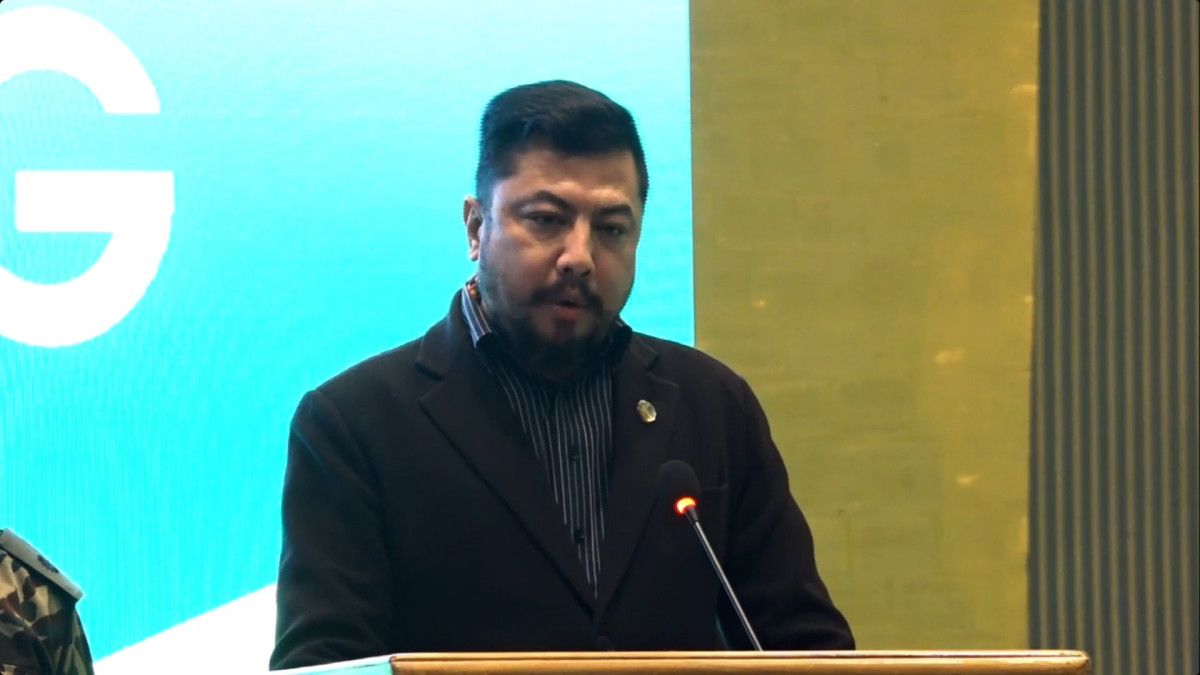
Minister for Energy, Water Resources, and Irrigation, Biraj Bhakta Shrestha, has announced that the government will adopt a stringent stance against developers holding energy licenses without initiating project construction. Speaking at the 26th General Assembly and 8th Convention of the Independent Power Producers' Association, Nepal (IPPAN), Minister Shrestha emphasized that despite maintaining a private sector-friendly approach, the government will ruthlessly crack down on the "License Raj" and project-hoarding tendencies to ensure good governance. Unveiling a series of structural reforms, he stated that the private sector will now be legally permitted to engage in direct international electricity trading and build private transmission lines under a wheeling charge model. To incentivize storage-type hydropower projects, the government will extend their license periods to 50 years and allow developers to issue up to 40% IPO in the first year upon securing 100% investment. Furthermore, the Ministry has opened immediate Power Purchase Agreements (PPAs) under the "Take or Pay" model for projects below 10 MW to protect small and medium-scale investors. The state aims to attract global and non-resident capital through Green Bonds and Diaspora Bonds, while working to arrange fixed-interest rate loans for the hydropower sector. Structurally, the government is preparing to unbundle the Nepal Electricity Authority (NEA) to foster a competitive market and intends to boost per capita energy consumption from the current 450 kWh to 1,500 kWh within the next decade. To streamline development, complex legal bottlenecks are being eliminated by amending the Forest Act 2076 and Environment Protection Act 2076—ensuring that a supplementary EIA is no longer required if forest usage decreases during implementation. The Minister added that cross-border transmission line projects, including Butwal-Gorakhpur and Chilime-Kerung, are being placed on high priority to expand transnational energy trade.