Nepal’s Economic Paradox: Tourism and Exports Surge While Manufacturing Slumps to Record Lows
The central bank's latest economic report reveals a mixed bag for Nepal's economy. While tourism, remittances, and exports show strong signs of recovery, the domestic manufacturing sector is facing a severe crisis, with overall factory capacity utilization dropping below 43%.
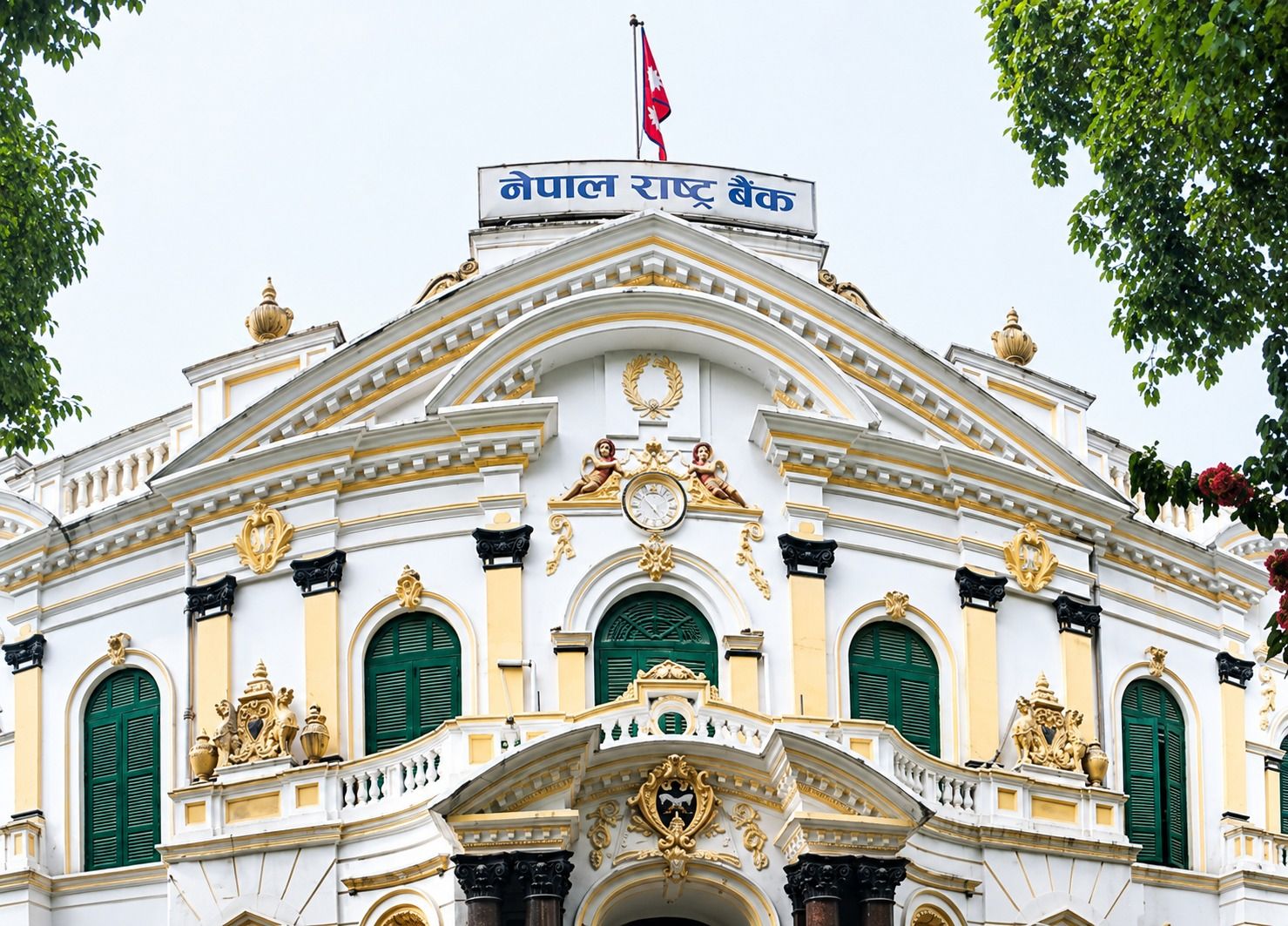
According to the mid-year 'Economic Activity Study Report' released by Nepal Rastra Bank for the current fiscal year 2082/83, the country’s economy is experiencing an uneven recovery. On the bright side, the service sector is booming, highlighted by the arrival of over 603,000 foreign tourists and a surge in outbound migrant workers (nearly 396,000) that promises robust future remittance inflows. Additionally, merchandise exports leaped by 43.76% to NPR 142 billion, though trade imbalance remains a stubborn thorn as imports also grew by 14.18% to NPR 939 billion. However, this outward optimism stands in stark contrast to a severe slump in domestic manufacturing and infrastructure. Factory capacity utilization dipped to a dismal 42.11%, meaning industries are running at less than half their potential. Production plunged in 28 out of 52 surveyed categories, with the production of leather shoes (-58.33%), GI pipes (-52.51%), and food staples like milk and grains suffering heavy hits due to political instability, sluggish construction activity, and weak market demand. While a few outlier sectors like steel, sugar, and high-performing garment factories (operating at 95.74% capacity) showed remarkable growth, the central bank warns that unless immediate measures are taken to revive the manufacturing and construction sectors, Nepal risks long-term setbacks in economic growth and job creation.