US Imposes 25% Tariff on Brazilian Imports Over Alleged Unfair Trade Practices
The United States will impose a 25 percent tariff on a wide range of Brazilian imports from July 22 after concluding that Brazil engaged in unfair trade practices, although several key products have been exempted.
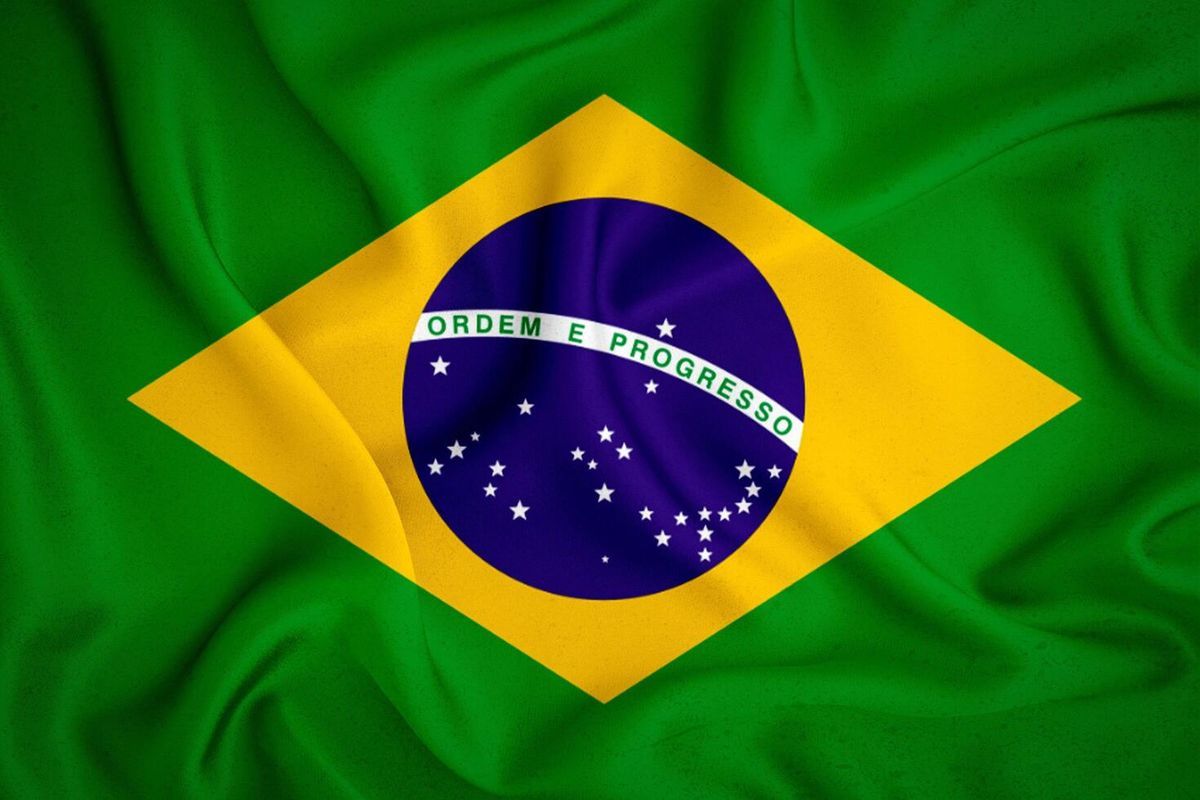
The United States has announced a 25 percent tariff on imports from Brazil, citing findings that the South American nation engaged in a range of unfair trade practices following a year-long investigation by the Office of the U.S. Trade Representative (USTR). The new tariffs, which will take effect on July 22, are being imposed under Section 301 of the Trade Act of 1974 and are intended to address what Washington describes as discriminatory trade policies, weak anti-corruption enforcement, and other practices deemed harmful to U.S. businesses. However, the order exempts several products considered essential to U.S. supply chains or not produced domestically, including coffee, beef, oranges, orange juice, certain oil and gas products, and aerospace parts. U.S. Trade Representative Jamieson Greer said the move was necessary to ensure a level playing field for American workers and businesses, while Secretary of State Marco Rubio argued that Brazil had failed to negotiate in good faith despite prolonged discussions. Brazilian President Luiz Inácio Lula da Silva has criticized the decision, alleging political motivations behind the tariffs and accusing political rivals of influencing Washington's stance ahead of Brazil's October elections. The latest action comes despite the United States maintaining a goods trade surplus with Brazil and follows a U.S. Supreme Court ruling earlier this year that struck down several tariffs imposed under a different legal authority, the International Economic Emergency Powers Act (IEEPA). Relations between Washington and Brasília had shown signs of improvement following Lula's visit to the White House in May, but the new tariff decision is expected to renew trade tensions between the two countries.