Nepal’s Bank Deposits Surpass GDP, Raising Structural Economic Concerns
Nepal's banking system now holds deposits worth 131.76% of the country's GDP, highlighting deep financial penetration but also exposing structural weaknesses as surplus liquidity struggles to flow into productive sectors.
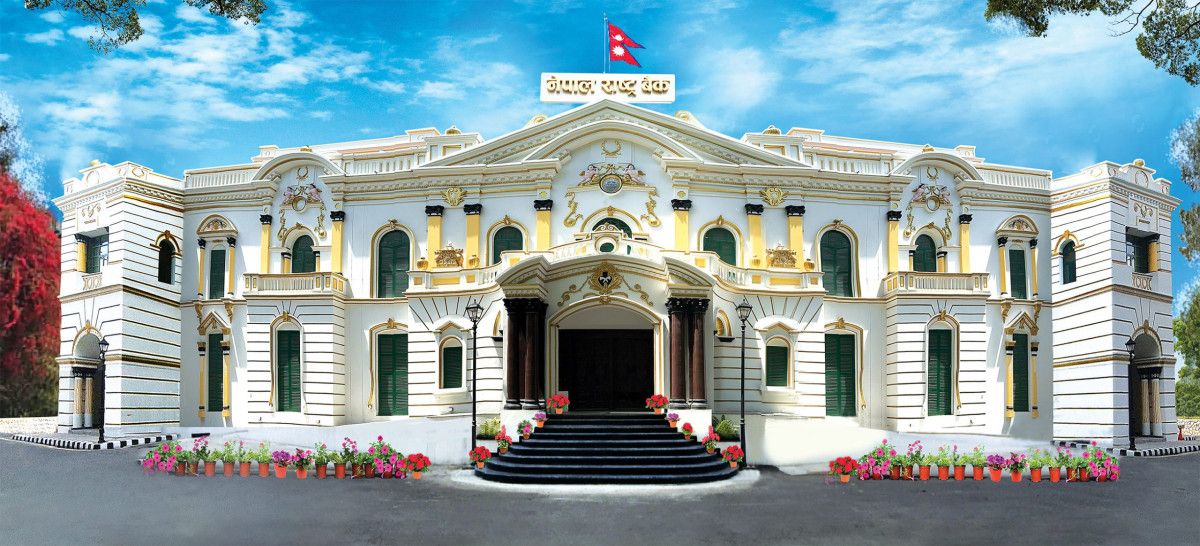
Nepal’s banking sector has grown larger than the country’s overall economy in terms of deposits, according to the latest banking and financial statistics published by Nepal Rastra Bank (NRB) through mid-June 2026 (Jestha 2083). The report shows that the total deposit-to-GDP ratio has reached 131.76 percent, with commercial banks alone accounting for deposits equivalent to 118.9 percent of GDP. Based on the government's estimated nominal GDP of Rs 6.107 trillion for the current fiscal year, the figures indicate that deposits held by banks and financial institutions now exceed the size of Nepal’s economy. Meanwhile, the total credit-to-GDP ratio has also climbed to 96.92 percent, reflecting greater financial inclusion and banking penetration. Despite these strong financial indicators, economists warn that the trend points to deeper structural weaknesses rather than economic strength. They argue that a significant volume of liquidity remains idle within the banking system instead of being channelled into productive sectors such as manufacturing, agriculture, energy, and tourism. According to economists, previous credit expansion was concentrated in imports, real estate, and the stock market rather than industries capable of generating employment and boosting domestic production. Although remittance inflows have continued to increase bank deposits and borrowing costs have fallen to historic lows, weak business confidence and limited investment opportunities have kept credit demand subdued. Experts have called for policy reforms to redirect excess liquidity toward productive investments, warning that failure to do so could increase the risk of a prolonged liquidity trap and further weaken Nepal’s long-term economic growth prospects.