From Large Estates to Residential Hubs: The Shifting Trends in Nepal’s Real Estate
A comprehensive overview of Nepal's evolving real estate sector, highlighting a 1:3 transaction ratio in Bagmati and a shift toward mid-sized residential plots.
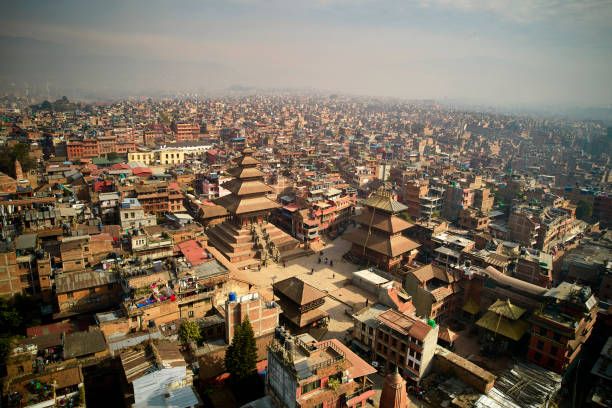
According to the April 2026 report by the NRB Economic Research Department, Nepal’s real estate sector remains a primary economic pillar, characterized by rapid urbanization and a dual market structure. The market is currently dominated by Rajinama transactions (voluntary property transfers), with a significant trend toward land fragmentation. The 2.5–10 aana segment has emerged as the market’s core engine, driven by middle-income residential demand. Conversely, while larger plots (above 20 aana) are fewer in number, they represent the highest concentration of total declared market value, reflecting their role in commercial and institutional investment. Geographically, the market exhibits a heavy concentration in Bagmati Province, which accounts for approximately 30–35% of all national transactions, largely due to the urban density of the Kathmandu Valley and Bharatpur. Madhesh Province follows closely (20–25%), while provinces like Karnali and Sudurpashchim remain marginalized, contributing less than 10% combined. Financially, while Bank and Financial Institutions (BFIs) maintain high exposure to the sector, recent trends show a move toward tighter risk management. Despite fluctuations in credit, government revenue from registration fees and capital gains tax remains resilient, bolstered by rising property valuations.