Global Headwinds Cool Nepal’s Growth to 3.85% Amid Agricultural Slump, Economic Survey Reveals
Finance Minister Dr. Swarnim Wagle’s FY 2082/83 Economic Survey projects a growth slowdown to 3.85% as a sharp dip in farming offsets mild service sector gains, prompting calls for immediate structural reforms.
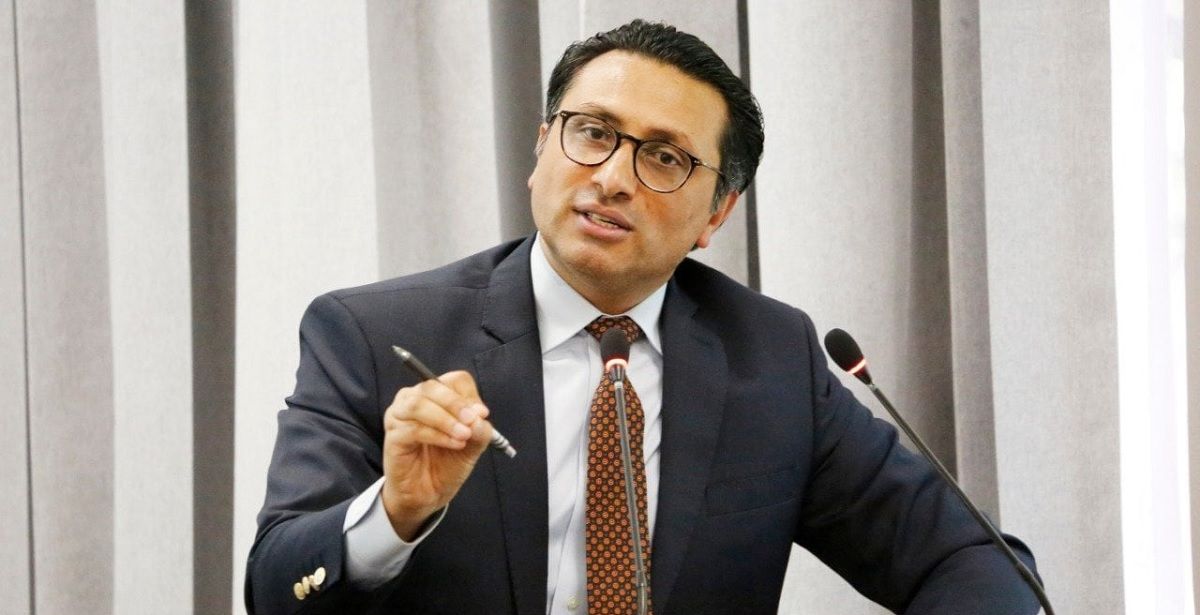
Finance Minister Dr. Swarnim Wagle presented the Economic Survey for the current fiscal year 2082/83 to the House of Representatives on Wednesday, projecting Nepal’s economic growth to decelerate to 3.85 percent. This marks a contraction from the 4.43 percent expansion recorded in the previous fiscal year, even as the nation’s total Gross Domestic Product (GDP) is estimated to expand to Rs 66 trillion 9 billion. The deceleration is primarily driven by a sharp downturn in the primary sector, with agricultural growth plummeting from 3.05 percent last year to just 1.58 percent, undermining the minor acceleration observed in the non-agricultural sector, which nudged up to 4.54 percent. Regionally, the economic landscape remains highly centralized; only Bagmati and Gandaki provinces are projected to outpace the national average growth rate, leaving the remaining five provinces lagging behind. The structural composition of the economy continues to mirror a decade-long drift away from production toward services, with non-agriculture commanding 76 percent of the GDP against agriculture’s declining share of 24 percent. Furthermore, consumption remains the overwhelmingly dominant driver of economic activity, accounting for 90.3 percent of the GDP, with the private sector fueling 91.26 percent of that aggregate spend. On the social indicator front, the survey recorded notable advancements: per capita income is expected to touch USD 1,535, absolute poverty has receded to 20.27 percent, and average life expectancy has reached 71.3 years. However, Dr. Wagle paired these domestic social milestones with a stern geopolitical warning, cautioning lawmakers that widening conflicts in West Asia, escalating global commodity prices, and persistent supply chain bottlenecks pose acute risks to monetary stability and inflate import bills via rising petroleum costs.