Liquidity Eases in Nepal as Inflation Constraints Force Rate Debate in Japan
Bank of Japan faces a fierce internal debate over raising its 0.75% benchmark interest rate amid a global energy crisis.
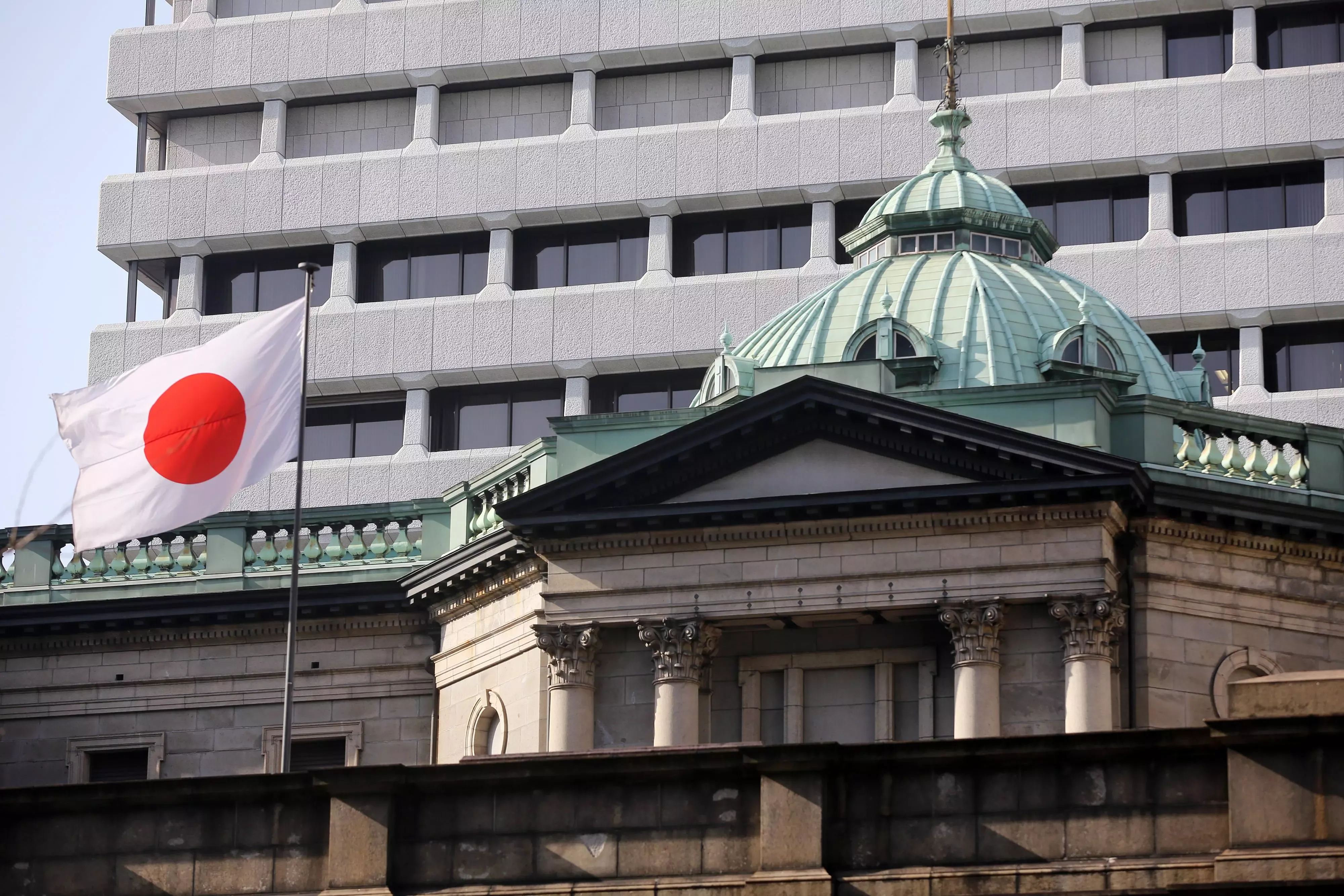
While Nepal’s financial sector continues to operate under an accommodative, low-interest-rate regime, the Bank of Japan is experiencing heightened policy polarization ahead of its mid-June macroeconomic review. At the core of the debate is whether the central bank should abandon its historic ultra-low rate environment and increase the 0.75 percent benchmark rate to insulate the economy against imported inflation. The underlying complexity of this decision was highlighted by BOJ Governor Kazuo Ueda, who noted that the current energy crisis mirrors the structurally disruptive oil shocks of the 1970s. Governor Ueda cautioned that the pass-through effect of these elevated energy costs is highly dependent on structural variables, including wage-price spirals and currency depreciation. With Japanese food and beverage producers aggressively raising prices due to supply contract compressions, the BOJ faces the complex task of balancing inflation mitigation against the risk of stifling domestic economic recovery.