Monetary Policy Review: NRB Warns of Inflationary Risks as Fuel Costs Soar
Nepal Rastra Bank has left its key policy rates unchanged in its latest quarterly review. While keeping an accommodative stance to spur private sector credit, the central bank announced plans to fine-tune its standing deposit facility to make market interest rates more stable.
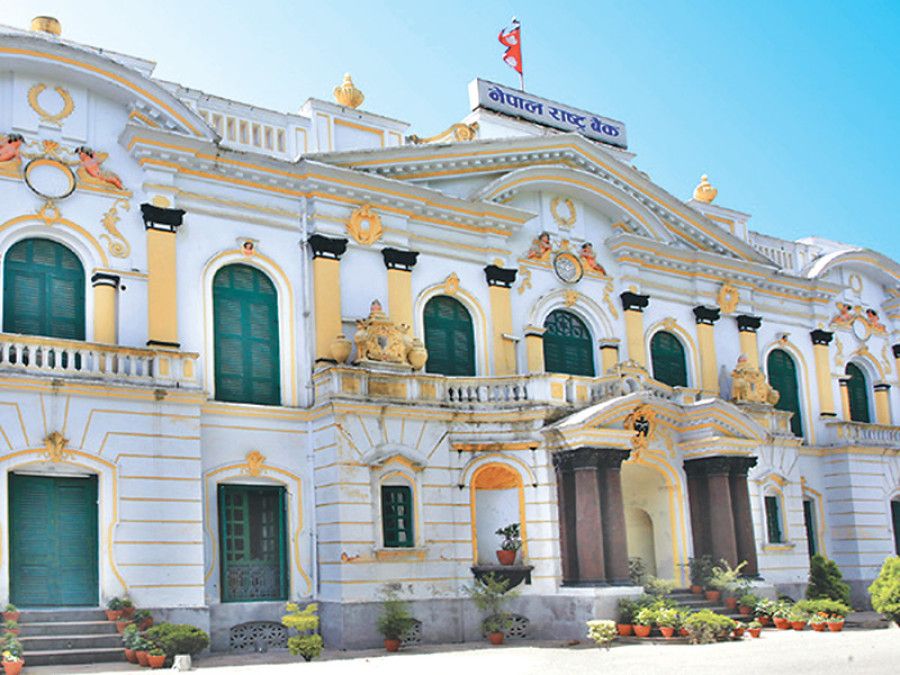
Nepal Rastra Bank (NRB) has published its Third Quarterly Monetary Policy Review for Fiscal Year 2025/26, signaling a continuation of its flexible and accommodative policy stance to bolster economic growth. According to the central bank's nine-month macroeconomic assessment, the country's financial sector remains highly stable, supported by manageable inflation at 4.47%, a staggering 39.1% surge in remittance inflows, and foreign currency reserves sufficient to sustain 18.4 months of imports. Adopting the National Statistics Office's projected GDP growth rate of 3.85%, the review notes that while the industrial and service sectors are expected to expand by 5.77% and 4.21% respectively, adverse weather has stifled agricultural contribution to a mere 1.58%. Despite these stable undercurrents, the central bank issued a stark warning regarding escalating geopolitical conflicts in the Middle East. External supply chain disruptions have already driven domestic petrol prices up by 35% and diesel prices by 58% during the review period, introducing severe impending inflationary pressures. While the NRB is closely monitoring the potential risks this conflict poses to Nepali migrant workers and future remittance pipelines, it expressed confidence that reserves will remain within target. Consequently, key regulatory levers—including the interest rate corridor, bank rate, cash reserve ratio (CRR), and statutory liquidity ratio (SLR)—will remain unchanged, though the central bank intends to review the standing deposit facility to optimize interest rate corridor effectiveness.