NRB Unveils 25th Monetary Policy, Targets 7% Growth While Keeping Inflation in Check
Nepal Rastra Bank has introduced its monetary policy for FY 2083/84, focusing on supporting economic growth, maintaining price stability, and strengthening financial sector resilience.
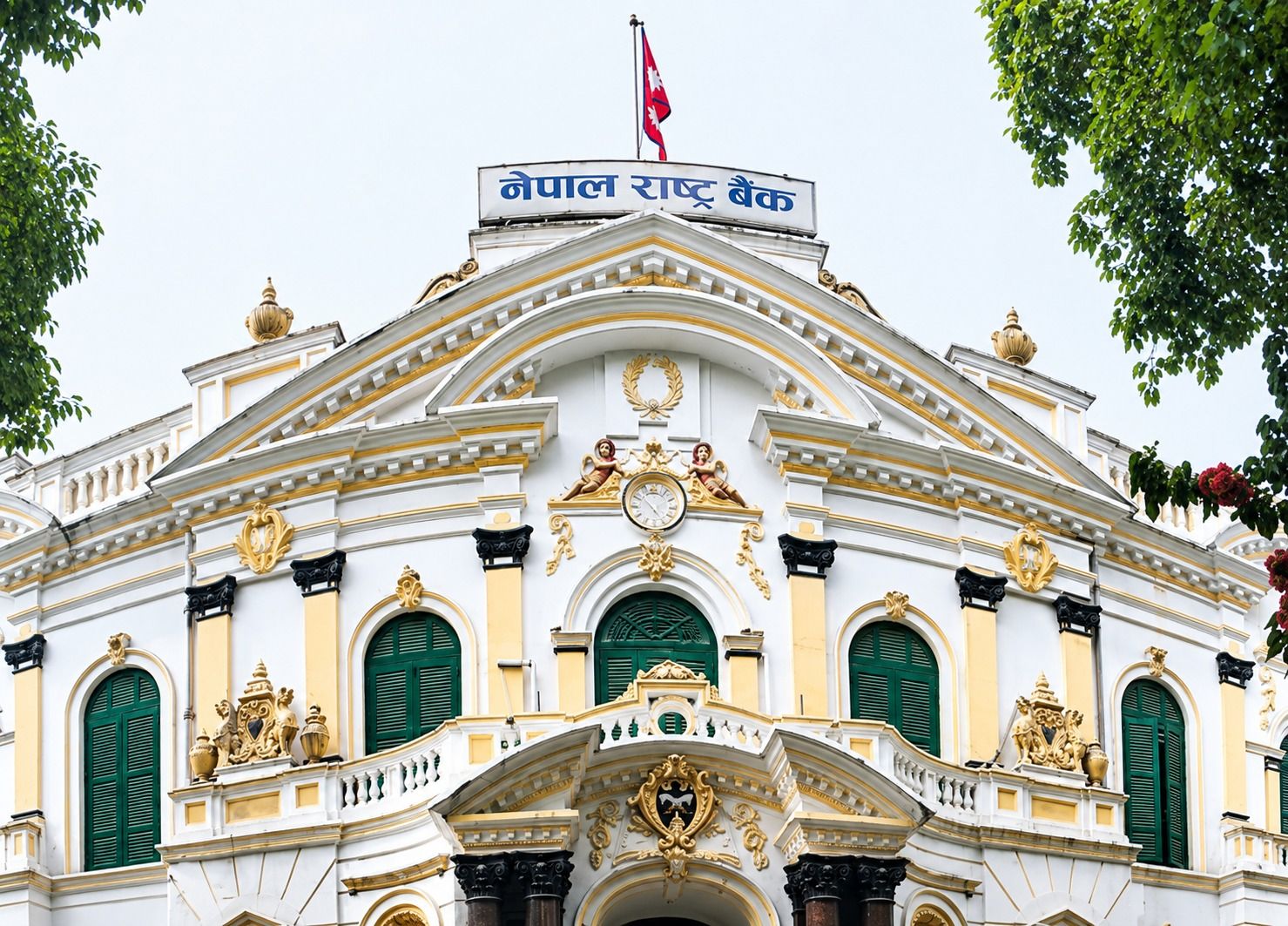
Nepal Rastra Bank (NRB) has unveiled its 25th Annual Monetary Policy for FY 2083/84, adopting a cautiously flexible approach to support the government's target of 7% economic growth while preserving macroeconomic stability. The central bank aims to ensure adequate liquidity in the financial system and maintain sufficient foreign exchange reserves to finance at least seven months of imports. It has also set an inflation target of 5.5% for the fiscal year. Although average consumer inflation remained low at 2.66% during the first ten months of the current fiscal year, year-on-year inflation rose to 5.04% in May 2026, largely driven by higher global food and fuel prices. NRB expects these supply-side pressures to gradually ease by the final quarter of the fiscal year. To provide a stable financial environment and encourage private sector investment, NRB has kept its policy rate, bank rate, and deposit facility rate unchanged, while retaining the existing Cash Reserve Ratio (CRR) and Statutory Liquidity Ratio (SLR) requirements. The central bank acknowledged growing concerns over rising non-performing loans (NPLs) and declining capital buffers in some banks, pledging closer regulatory oversight to safeguard financial stability. It also announced plans to simplify banking directives covering lending practices, interest rates, and consumer protection. In addition, NRB will introduce measures to ease loan-to-value requirements for large electric vehicles used in public transportation, facilitate the restructuring of bad loans in distressed industries, and explore the introduction of a peer-to-peer lending framework based on individual credit scoring.