Over 1.2 Million Foreign Tourists Visit Nepal in FY 2025/26
Nepal welcomed more than 1.2 million foreign tourists in fiscal year 2082/83, with India remaining the largest source market, followed by the United States and China. The Nepal Tourism Board credited stronger air connectivity, targeted international promotions, and public-private collaboration for the sector's continued recovery.
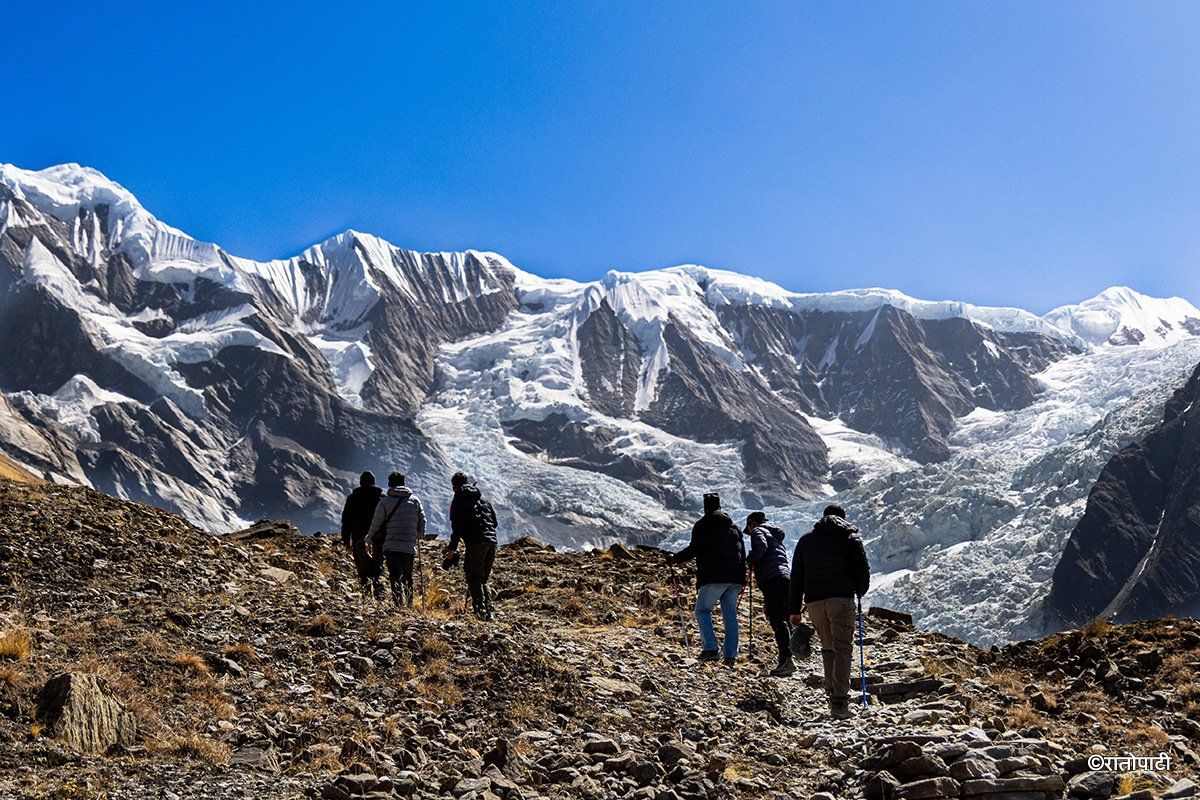
Nepal received 1,209,357 international tourists during fiscal year 2082/83, marking another strong year for the country's tourism industry, according to the Nepal Tourism Board (NTB). India remained Nepal's largest source market with 311,531 visitors, accounting for 25.76 percent of total arrivals, followed by the United States (111,325) and China (109,892). Other major source markets included Bangladesh, the United Kingdom, Australia, Sri Lanka, Bhutan, Myanmar, Germany, Thailand, Japan, and Malaysia. The highest monthly tourist arrivals were recorded in Kartik, when 124,829 foreign visitors entered Nepal, followed by Chaitra (119,390), Falgun (114,152), and Asoj (111,780). To sustain the recovery, the NTB intensified promotional campaigns in key markets, conducting more than 12 tourism promotion programs in India and over 40 international promotional events during the fiscal year. The board also organized cross-border tourism fairs and investment events across Nepal's southern border region to attract more visitors entering through land routes. Acting Chief Executive Officer Hikmat Singh Air said improved air connectivity and stronger collaboration with the private sector have helped Nepal's tourism sector transition from recovery to sustainable growth. He emphasized the need to expand targeted promotional campaigns and business-to-business (B2B) engagements in high-potential markets such as China, the United States, Australia, and Bangladesh. Looking ahead, the NTB plans to strengthen its marketing efforts through the fiscal year 2083/84 budget while supporting the government's declaration of 2027 as Visit Health Tourism Year, with the goal of attracting more high-spending visitors and increasing the average length of stay in Nepal.