Global Solutions for Squatter Issues: Can Balen’s Vision of the "Singapore Model" Transform Kathmandu?
As the government initiates a nationwide campaign to manage squatter settlements, starting from Thapathali and Shantinagar, attention has turned to global success stories. While nearly 1 billion people live as squatters globally, countries like Singapore, India, and Peru offer diverse strategies. Kathmandu Mayor Balen Shah is reportedly looking toward the Singapore HDB Model, which focuses on turning displaced residents into modern homeowners through state-backed high-rise housing.
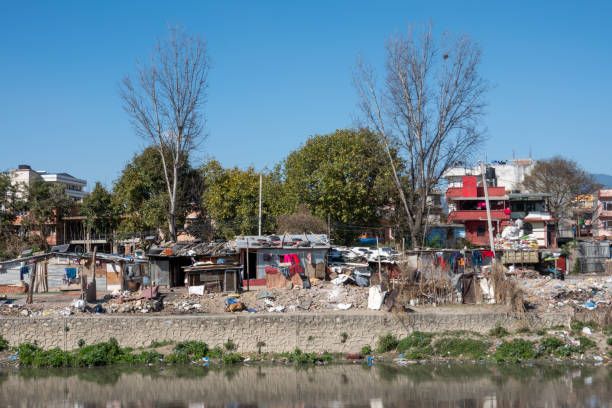
The persistent challenge of landless (squatter) settlements in Nepal, which escalated post-1995, is facing a new wave of government intervention. Globally, countries have tackled this via various frameworks: India utilizes the PMAY-Urban and Jaga Mission to grant land rights and redevelop slums into "smart villages," while Peruvian economist Hernando de Soto famously advocated for turning "Dead Capital" into economic assets by granting legal titles to squatters. In Africa and Indonesia, Public-Private Partnerships (PPP) provide land on installments paired with job placement for residents. However, the strategy gaining traction under Mayor Balen Shah is the Singapore Model. In the 1960s, Singapore faced a massive housing crisis, which it solved through the Housing and Development Board (HDB). This model transitioned squatters into modern apartments through a mix of strict land acquisition laws, heavy government subsidies, and the use of the Central Provident Fund (CPF)—a mandatory savings scheme—to pay for mortgages. This "Vertical Expansion" strategy, coupled with self-sufficient townships, is seen as a viable path for land-scarce Kathmandu to provide dignity and security to its low-income citizens without further encroaching on public land.