NRB Review Flags Weak Credit Demand Despite Strong Reserves and Low Inflation
Nepal Rastra Bank’s annual monetary policy review says inflation remained under control and foreign exchange reserves stayed strong, but sluggish domestic demand and weak private sector confidence continue to weigh on credit growth.
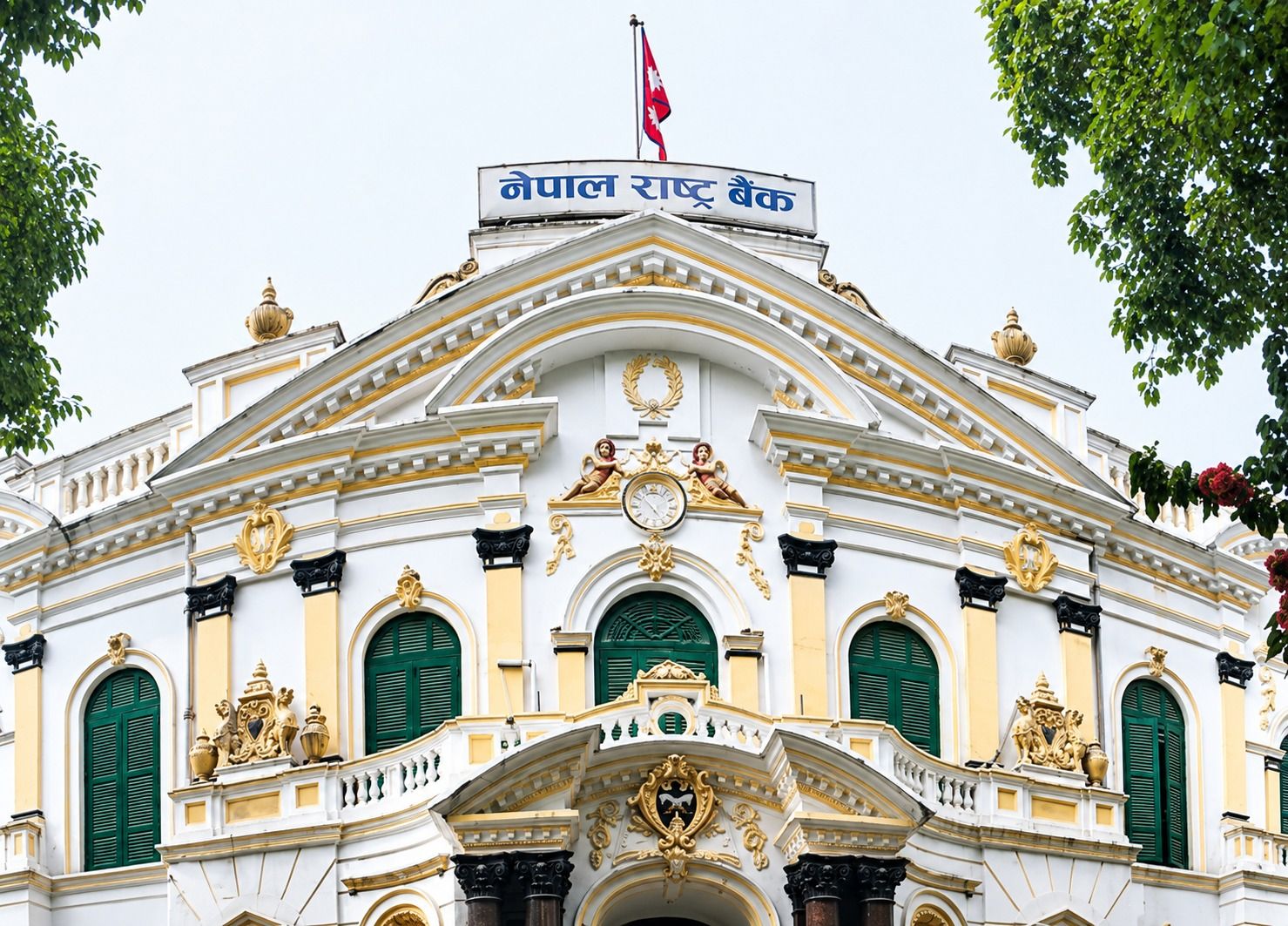
Nepal Rastra Bank (NRB) has published its Annual Review Report of the Monetary Policy for FY 2025/26, as required under the Nepal Rastra Bank Act, 2002. The report concludes that while Nepal maintained a strong external sector and kept inflation under control, managing excess liquidity in the banking system remained a major challenge due to sluggish domestic demand. The central bank had targeted average consumer inflation below 5%, and the average inflation during the first ten months of the fiscal year stood at 2.66%, although year-on-year inflation rose to 5.04% in mid-May 2026. Foreign exchange reserves also exceeded expectations, reaching a level sufficient to finance 19.2 months of goods and services imports, far above the target of at least seven months. The report further notes that despite broad money supply expanding by 15.2%, private sector credit growth reached only 6.5%, well below the projected 12%, reflecting weak business confidence, subdued domestic demand, and a rise in non-performing loans (NPLs). Excess liquidity also pushed interest rates lower, with commercial banks’ average deposit rate falling to 3.35% and the weighted average lending rate to 6.73% by mid-May. To stimulate economic activity, NRB introduced several policy measures during the review period, including raising the housing loan ceiling from Rs 20 million to Rs 30 million, increasing the single borrower limit for share-backed margin loans from Rs 150 million to Rs 250 million, doubling the personal overdraft limit to Rs 10 million, raising the collateral-backed microfinance loan ceiling to Rs 1.5 million, and setting a Rs 1 million limit for digital lending to small and medium-sized enterprises. The report also highlights that global geopolitical tensions, higher petroleum prices, supply chain disruptions, floods, weak construction activity, and deteriorating loan quality continued to weigh on Nepal’s economic recovery.