Nepal Rastra Bank Proposes Strict Curb on Political Activity and Strikes for Bank Employees
Nepal Rastra Bank has drafted severe restrictions for banking sector employees, proposing a blanket ban on political affiliations, election campaigning, and participating in disruptive strikes, while preserving their fundamental right to vote and join professional bodies.
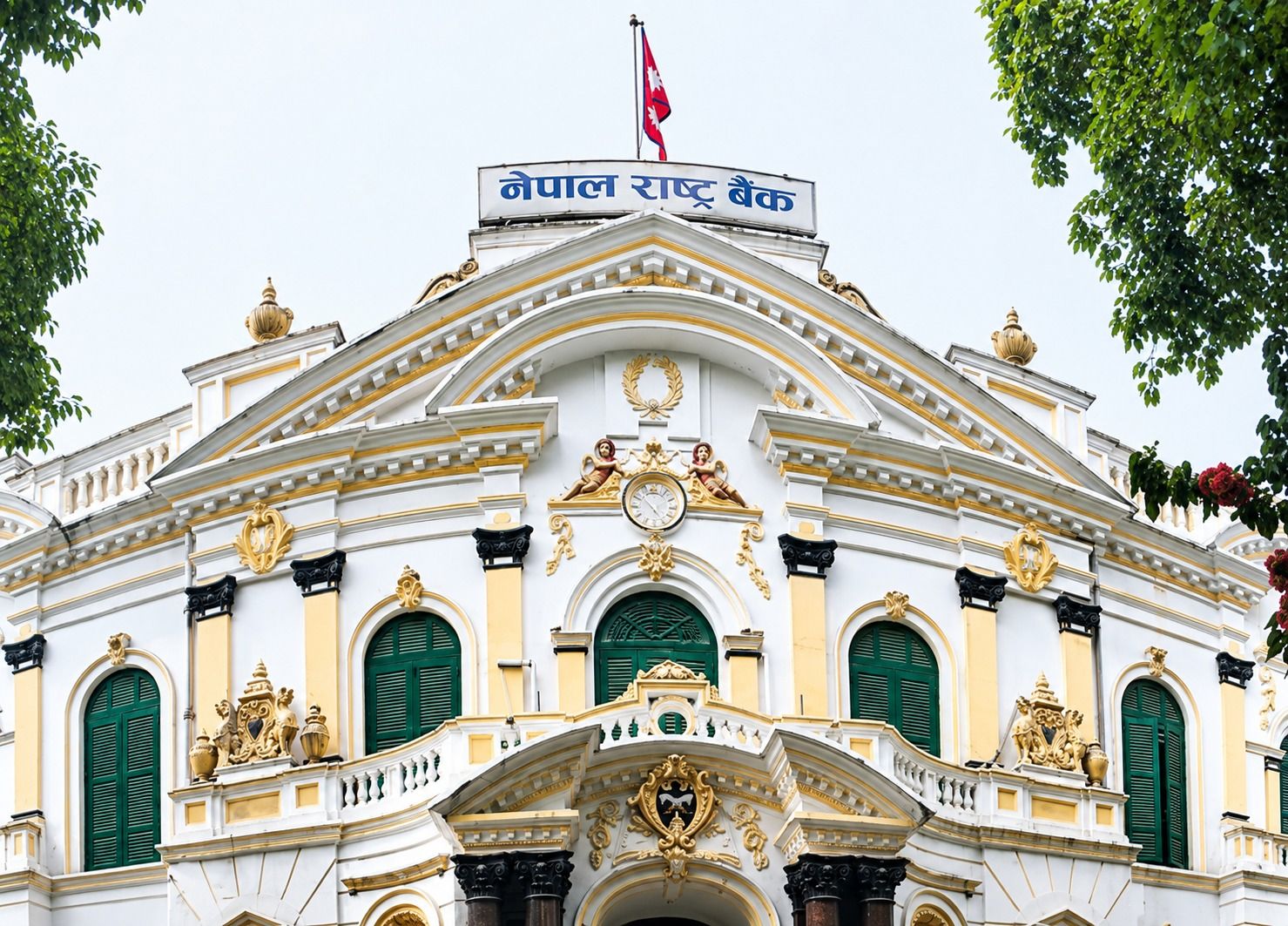
The central bank of Nepal, Nepal Rastra Bank (NRB), has proposed a comprehensive set of amendments to the model employee service regulations (Karmachari Sewa Biniyemawali) aimed at curbing political activism and industrial action within the banking sector. Under the new draft guidelines, bank employees will be strictly prohibited from holding memberships in political parties, contesting in political elections, canvassing votes for any political candidates, or engaging in any activities designed to influence the political process. While the draft enforces a rigid boundary between banking operations and politics, it clarifies that employees will maintain certain fundamental and professional rights. Banking staff will still be legally permitted to cast their votes in elections, register organizations as sanctioned by law, and hold representative roles in recognized professional bodies. These include institutions such as the Nepal Bar Association, Nepal Medical Association, Institute of Chartered Accountants of Nepal (ICAN), Nepal Management Association, and the Nepal Professors' Association, among others. Furthermore, the central bank’s draft introduces stringent clauses regarding labor mobilization. Employees will be barred from organizing or participating in demonstrations and strikes—or inciting others to do so—if such actions are deemed a threat to national sovereignty, public order, territorial integrity, peace and security, or foreign relations. Actions that amount to contempt of court or support criminal activities are also strictly prohibited under this clause, overriding certain provisions under existing labor practices. According to the central bank, any employee found in violation of these upcoming code-of-conduct guidelines will face severe disciplinary actions from their respective managements.