SEBON Set to Resume IPO Approvals Under Existing Review Standards
The Securities Board of Nepal (SEBON) is preparing to restart the stalled IPO approval process by evaluating all pending and new applications under the Financial Statement Review Standards, 2081, while separate committees work on long-term market reforms.
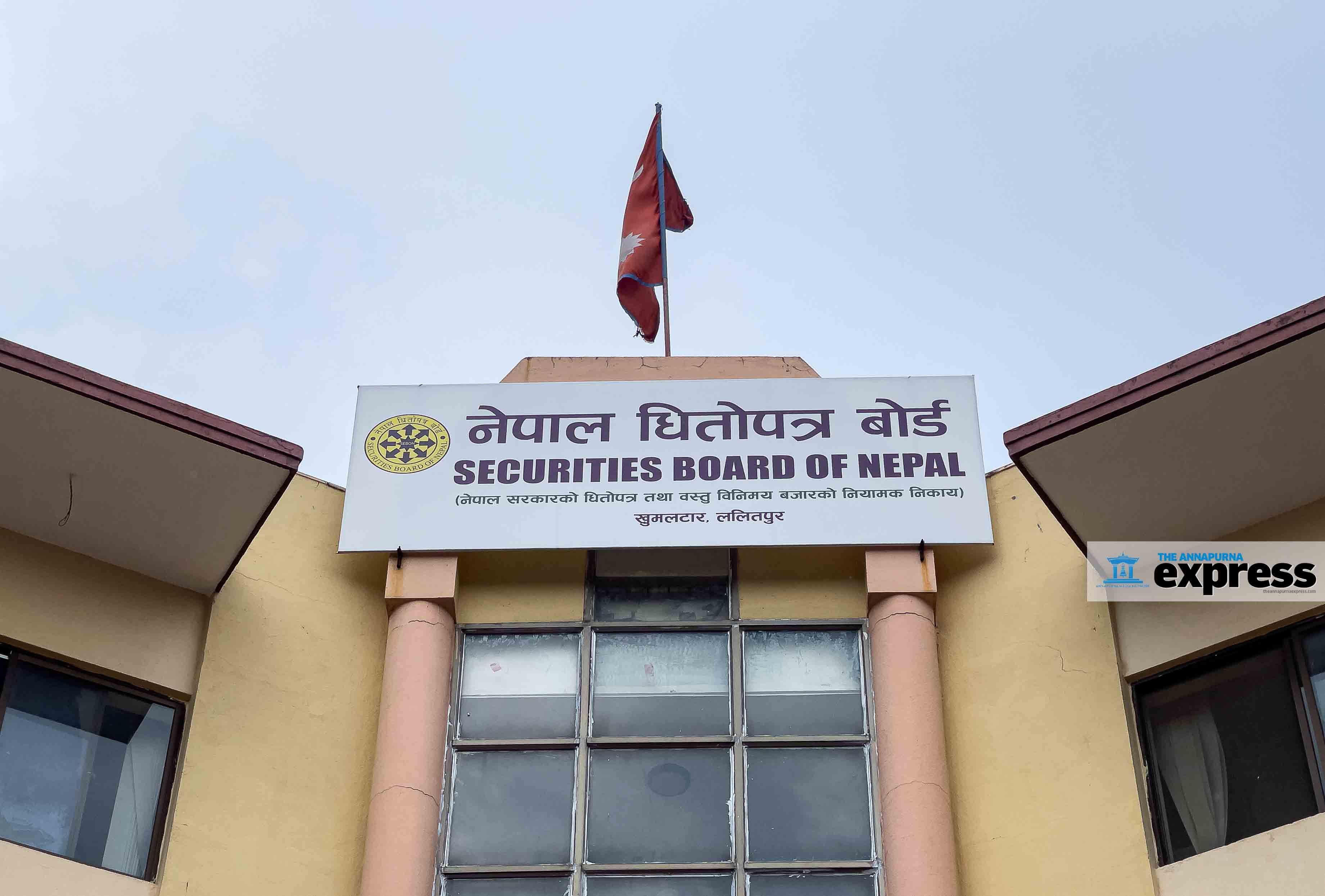
The Securities Board of Nepal (SEBON) is in the final stage of resuming the initial public offering (IPO) approval process, which has remained stalled for more than three and a half months. According to board sources, all pending and newly submitted IPO applications will be reviewed under the "Financial Statement Review Standards for Initial Public Offerings, 2081," introduced on Baisakh 1, 2081 during the tenure of former SEBON Chairman Santosh Narayan Shrestha. While two newly formed committees are working on long-term regulatory reforms, SEBON has decided to use the existing standards as the immediate basis for clearing the IPO pipeline. The board said the objective is to ensure that only financially sound and quality companies enter the capital market. SEBON has also formed two special committees to strengthen Nepal's capital market. The Primary Market Reform Committee, led by Director Binay Dev Acharya, is responsible for improving the IPO issuance process, enhancing book-building transparency, and drafting new listing standards. Meanwhile, the Secondary Market Reform Committee, headed by Supervision Department Chief Rupesh KC, will recommend measures to improve market oversight and curb irregularities in secondary market trading. Under the existing review standards, companies must meet strict financial criteria, including limits on trade receivables, related-party transactions, and minimum net worth requirements. Companies with trade receivables exceeding 75% of sales revenue, excessive related-party transactions, or net worth falling below half of their paid-up capital after tax adjustments may not qualify for IPO approval. SEBON believes the stricter framework will improve market quality, prevent weak companies from entering the market, and restore momentum to Nepal's IPO pipeline.