NRB to Collect Rs 30 Billion Through 28-Day Deposit Auction
Nepal Rastra Bank will raise Rs 30 billion through a 28-day deposit collection instrument on Ashwin 21, with eligible Class A, B and C banks allowed to participate through competitive bidding.
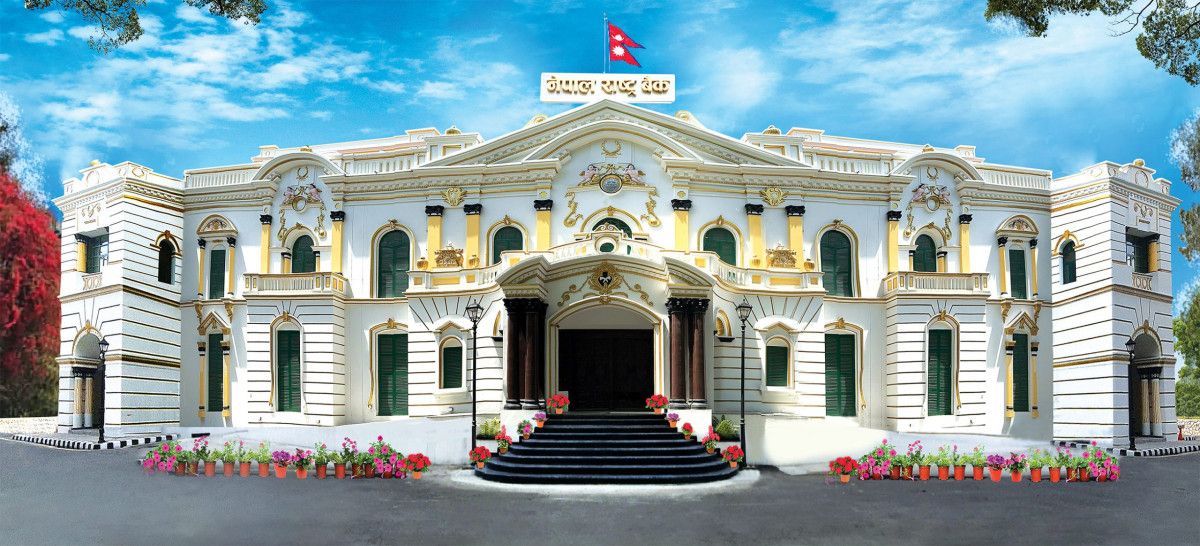
Nepal Rastra Bank (NRB) is set to collect Rs 30 billion through a 28-day deposit collection instrument as part of its open market operations. According to a notice issued by the central bank, the auction will be conducted on Ashwin 21, 2083 through the Online Bidding System Software (OBSS), while the instrument will mature on Kartik 18, 2083. The interest rate will be determined through competitive bidding, allowing eligible banks and financial institutions to submit multiple bids at different rates. The minimum bid amount has been fixed at Rs 100 million, with bids required to be submitted in multiples of Rs 100 million, up to the total called amount of Rs 30 billion. NRB will prioritize bids offering the lowest interest rates and continue allocating funds until the full amount is reached. If the amount offered at the same interest rate exceeds the available amount, allocation will be made on a pro-rata basis. Only Class A, Class B and Class C banks and financial institutions licensed by NRB will be eligible to participate. The Open Market Operations Committee of NRB will have the authority to accept or reject all or part of the bids received. Funds placed through the instrument will be included in the respective banks’ investment portfolios but cannot be counted toward the Cash Reserve Ratio (CRR). However, they may be counted toward the Statutory Liquidity Ratio (SLR) and liquidity ratio as allowed under NRB directives. The deposit cannot be withdrawn or repaid before maturity. Upon maturity, the principal amount along with applicable interest will be credited to the respective bank’s account maintained at NRB. The central bank has also warned that bidders whose accounts lack sufficient funds on the issue date may be blacklisted and barred from participating in subsequent deposit collection auctions.