ights: How Budget 2083/84 Deepens Nepal's Middle-Class Healthcare and Tuition Burden
The newly introduced Financial Bill for FY 2083/84 has drawn severe public and political backlash for imposing a mandatory 3% "Education and Health Equity Fee" on all private school tuitions and healthcare services, with critics labeling it a regressive tax on basic constitutional rights.
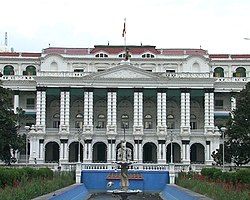
The recently unveiled Financial Bill for the upcoming fiscal year 2083/84, presented in Parliament by Finance Minister Dr. Swarnim Wagle, has ignited a fierce national debate regarding the commercialization of basic public services. The government has mandated a 3% "Education Equity Fee" on all types of charges levied by private educational institutions, alongside a parallel 3% "Health Equity Fee" on all private healthcare service bills. While the administration defends these measures as crucial instruments for gathering resources to upgrade public infrastructure and bridge social inequities, critics argue that the policy functions as a punitive tax on the middle and lower-income demographics. Compelled by the subpar state of public schools and state-run hospitals, these citizens heavily rely on private alternatives. Opponents contend that transferring the ultimate tax burden onto students and patients violates the spirit of a welfare state and undermines the constitutional guarantee of education and healthcare as fundamental rights, transforming critical services into mere revenue-generating commodities.