After a Decade of Silence, Kolkata Stock Exchange Eyes a Comeback
Once one of Asia's leading financial hubs, the Kolkata Stock Exchange is making a renewed push to resume operations after more than a decade, aiming to modernize its platform and revive trading for thousands of listed companies and stranded investors.
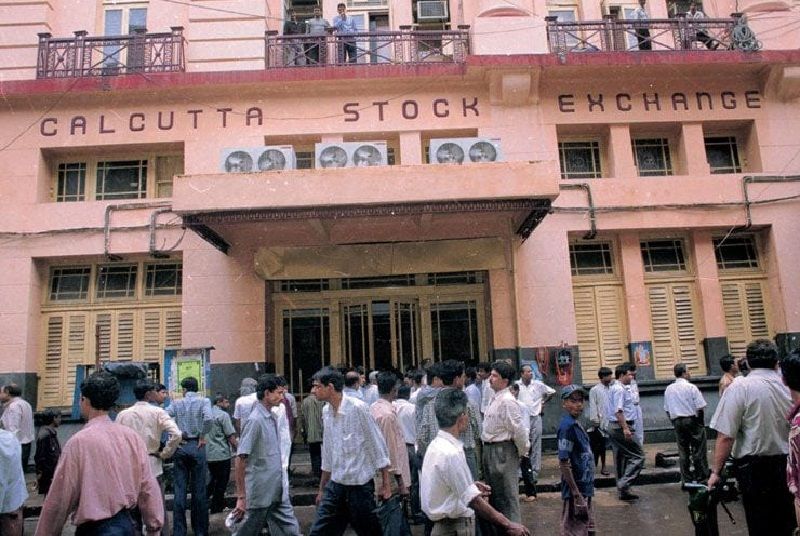
The Kolkata Stock Exchange (CSE), once regarded as one of Asia's most prominent financial centers, is preparing for a potential revival more than a decade after trading came to a halt. Indian media reports say efforts are underway to relaunch the exchange, particularly to provide relief to investors in small and medium-sized companies whose shares have remained illiquid since trading was suspended. Following the formation of a new BJP-led government in West Bengal, authorities and the exchange's management have reportedly begun exploring ways to modernize the bourse through advanced trading technology and a new business model, including dedicated platforms for startups and small businesses. The exchange has remained effectively inactive since 2013, leaving shareholders of more than 3,500 listed companies unable to buy or sell their holdings. Even shares of companies that continue to operate have become virtually worthless in the absence of an active market, trapping billions of rupees worth of investor wealth. Market analysts have frequently described the rise and fall of the Kolkata Stock Exchange as one of the world's most significant cautionary tales in capital market history. Not all investors were affected equally. Shares of large companies such as ITC Limited, Tata Steel, and Bata India, which were also listed on the Bombay Stock Exchange (BSE) and the National Stock Exchange (NSE), continued trading on those exchanges, allowing investors in those companies to remain protected despite the collapse of trading on the CSE.
A Nearly 200-Year Legacy The origins of share trading in Kolkata date back to 1830, when merchants gathered under a banyan tree to trade debt securities issued by the East India Company. The exchange was formally established on December 1, 1908, when 16 leading stockbrokers registered it as an organized institution. Its iconic headquarters, completed in 1928, continues to stand as a symbol of its historic legacy. By the late 1990s, the Kolkata Stock Exchange had more than 3,500 listed companies. Many of India's leading industrial groups, including the Tata, Birla, Goenka, and Dalmia conglomerates, began their corporate journeys through the exchange. After launching its online trading platform, C-STAR, in 1997, the exchange recorded daily trading volumes ranging from ₹5 billion to ₹10 billion, accounting for roughly 15–20 percent of India's total equity market turnover at the time.
Scandal and Structural Decline The seeds of the exchange's downfall were sown during the 2000–01 Ketan Parekh stock market scam. Stockbroker Ketan Parekh, together with a group of Kolkata-based brokers popularly known as the "Three Musketeers," manipulated the prices of selected shares through aggressive speculation. Using borrowed bank funds and exploiting weaknesses in the exchange's margin system, the brokers amassed massive speculative positions. When the market bubble burst in March 2001, brokers defaulted on payments exceeding ₹110 million, severely damaging the exchange's settlement fund and clearing mechanism. The scandal shattered investor confidence and permanently tarnished the exchange's reputation.
Trading Suspension and the Road Ahead Following the scandal, the exchange's condition steadily deteriorated. India's capital market regulator, the Securities and Exchange Board of India (SEBI), introduced stricter regulatory requirements for regional stock exchanges, including higher net worth thresholds and minimum annual turnover standards. The Kolkata Stock Exchange failed to meet the new regulatory benchmarks and could not establish a compliant clearing and settlement infrastructure. As a result, SEBI suspended trading on the exchange in 2013, bringing all market activity to a standstill. Although SEBI later sought to permanently shut down the exchange, the CSE challenged the decision in court. The matter remains pending before the Calcutta High Court, while renewed efforts to modernize and relaunch the exchange have revived hopes that one of India's oldest stock markets could once again return to active trading.