Trump's "I Like Inflation" Comment Sparks Outrage as US Prices Hit 3-Year High
US President Donald Trump triggered intense debate after expressing a controversial fondness for inflation following a sharp rise in consumer prices to 4.2% in May. Driven by soaring energy costs from the escalating US-Israel conflict with Iran, the inflation surge presents a shifting economic and political challenge as midterm elections approach.
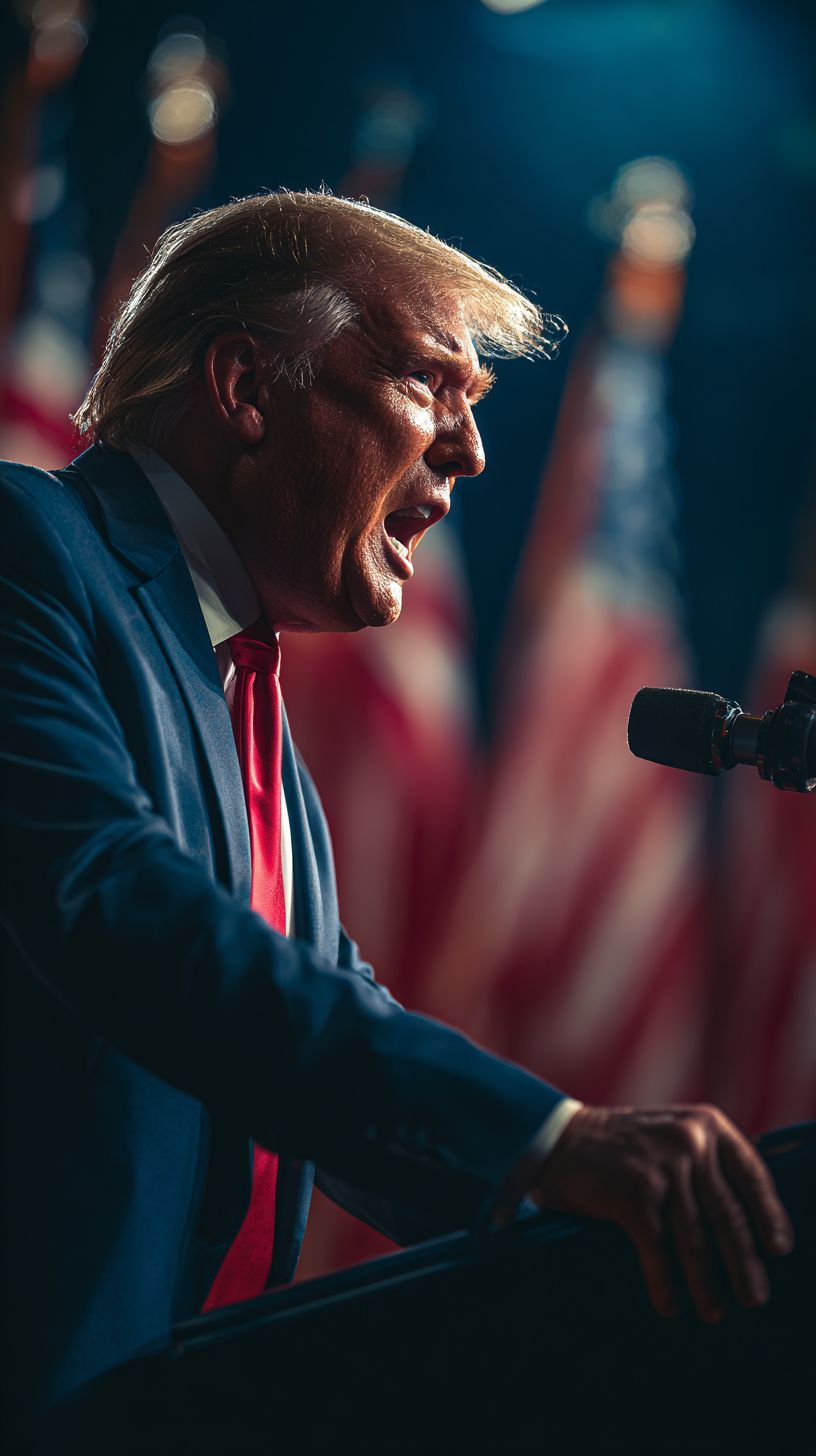
US President Donald Trump has drawn widespread criticism following his controversial remark stating he "liked inflation" after the Bureau of Labor Statistics (BLS) reported that consumer prices rose at their fastest pace in three years, hitting 4.2% in May. The inflation spike from April's 3.8% is heavily attributed to soaring energy bills—with gas and electricity prices jumping nearly 25% year-over-year—following the outbreak of the US-Israel conflict with Iran. During a White House press briefing, Trump dismissed concerns, claiming prices would "drop like a stone" once the war concluded, and referenced a targeted overnight military operation aimed at securing millions of barrels of Iranian oil to help stabilize fuel markets. While the President expressed optimism that retail gasoline prices would eventually return to the early-2026 level of $1.85 per gallon he observed in Iowa, current market realities paint a tougher picture. Average regular gasoline prices have surged to $4.15 per gallon from $2.98 since Trump initiated military action against Iran, which led to a crippling blockade of the critical Strait of Hormuz shipping lane. Trump later clarified to the New York Post that his comments were taken out of context, explaining he meant inflation was lower than anticipated despite the war. Although the current 4.2% rate remains significantly lower than the 9.1% peak seen under Joe Biden's administration in mid-2022, consecutive months of rising Consumer Price Index (CPI) metrics across transport, medical, and communication sectors are putting immense pressure on American households. With the Federal Reserve's long-term inflation target anchored at 2%, analysts warn that these persistent price hikes could push the central bank to raise interest rates, posing a formidable political hurdle for Trump ahead of the upcoming November midterm elections.