Dashain Homecoming: Gaddachauki Border Sees Surge in Nepali Migrant Workers Returning from India
As Dashain approaches, activity has increased at the Gaddachauki border crossing in Kanchanpur, with Nepali migrant workers returning from various Indian cities to celebrate the festival with their families. Authorities have strengthened security, established passenger assistance desks, and introduced health screenings to ensure safe and convenient travel during the festive season.
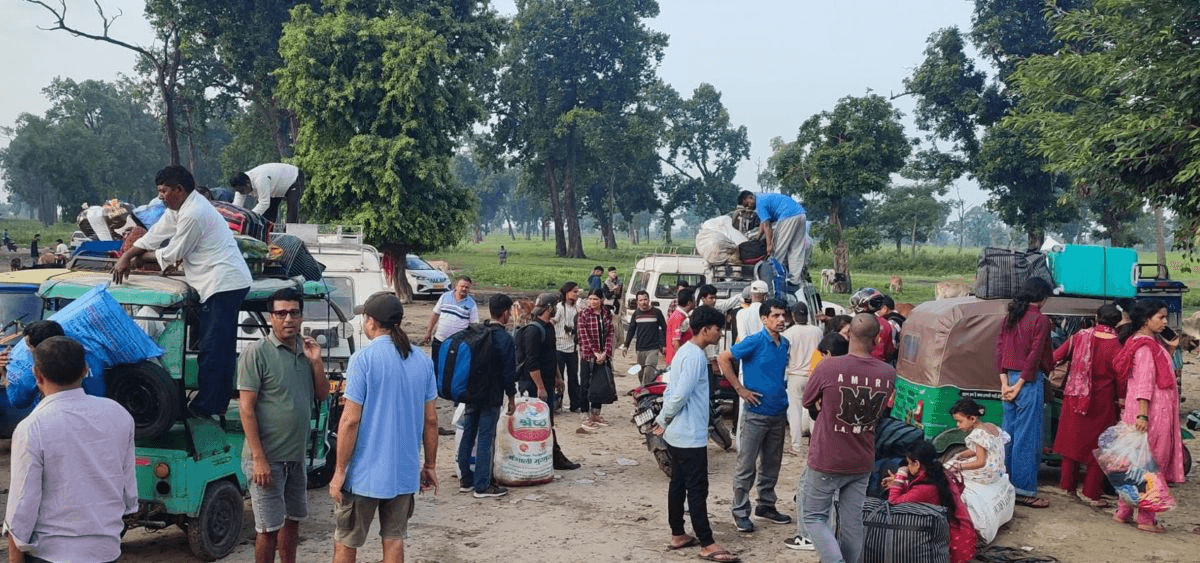
With the arrival of the Dashain festive season, the Gaddachauki border crossing in Kanchanpur district has witnessed a rise in the number of Nepali migrant workers returning home from India. Thousands of Nepalis employed in Indian states and cities, including Uttarakhand, Himachal Pradesh, Delhi, and Punjab, are making their way back to Nepal to celebrate Dashain with their families. Many plan to return to India after the Dashain and Tihar festivals to resume their jobs. Khagendra Budha, from Dhakari in Achham district, was among those returning from Dehradun with five friends. Employed in road construction work, he said they had come home to celebrate the festivals before returning to India for work. He noted that limited employment opportunities in Nepal continue to push many people toward labor jobs in Indian cities. Similarly, Nigendra Shahi of Kalikot returned from Himachal Pradesh, where he works in agriculture to support his household. He explained that many Nepali workers follow the same pattern of returning home for Dashain and heading back to India after Tihar. Meanwhile, Min Bahadur Kathayat, who works as a security guard in Delhi, also returned through Gaddachauki, describing the journey as relatively convenient. In response to the growing number of travelers, the District Police Office in Kanchanpur has established passenger assistance desks at eight locations across the district, including the Gaddachauki border crossing and the Mahendranagar bus park. According to Deputy Superintendent of Police Tek Bahadur Rawat, security surveillance has been intensified to protect travelers and prevent criminal activities during the festive period. Trained sniffer dogs are also being deployed at the border crossing and bus park as part of security checks. Health screening measures have also been introduced at the border to identify potential infectious diseases among people returning from India. The District Health Office has arranged screenings for six diseases, including dengue, malaria, and HIV, as part of efforts to reduce public health risks. The annual movement of migrant workers during Dashain highlights the important role of cross-border employment in supporting Nepali households, while also reflecting the strong desire of workers to reunite with their families during the country's major festivals. With increased security and health monitoring in place, authorities are working to facilitate safer travel for returning Nepalis throughout the festive season.