Nepal Rastra Bank to Withdraw Rs 70 Billion from Banking System for 60 Days
Nepal Rastra Bank (NRB) is set to absorb Rs 70 billion from the banking system through a 60-day deposit collection instrument to manage persistent excess liquidity and maintain short-term interest rate stability.
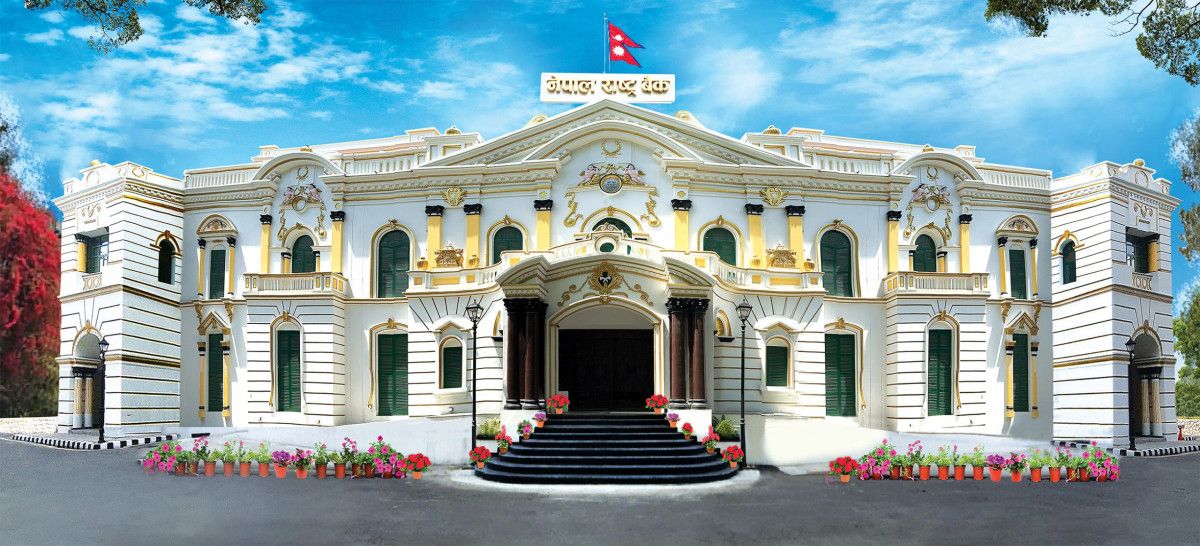
Nepal Rastra Bank (NRB) has announced plans to withdraw Rs 70 billion from the banking system for 60 days through a competitive bidding process, as excess liquidity continues to persist in the financial system. The central bank has invited bids from licensed Class A, B, and C banks and financial institutions, which can submit their proposals online by 3:00 PM on Friday. According to NRB, the principal amount along with accrued interest will be repaid on Mangsir 23. The interest rate will be determined based on the rates offered by participating banks and financial institutions during the bidding process. Despite a significant increase in bank deposits, credit demand and lending expansion have not grown at the same pace. As a result, a substantial amount of investable funds remains idle within the banking system, increasing the risk of short-term interest rates falling sharply. NRB has been conducting open market operations to absorb excess liquidity, keep interbank interest rates within the interest rate corridor, and maintain monetary stability. The central bank has previously withdrawn substantial amounts of liquidity through deposit collection instruments. According to NRB, approximately Rs 700 billion withdrawn through these instruments is still awaiting maturity. Despite this substantial amount remaining tied up, excess liquidity in the banking system continues to be high, prompting the central bank to absorb an additional Rs 70 billion. The latest move is expected to help manage idle funds in the short term and support greater stability in interest rates across the financial system. Analysts suggest that excess liquidity could persist for some time due to sluggish credit expansion and rising remittance inflows.