Global Financial Markets Witness Major Volatility as Middle East Conflict Marks 100 Days
As the Middle East conflict hits its 100-day mark, global financial markets are reacting with mixed resilience. While Artificial Intelligence infrastructure spending and strong US business metrics have propelled the S&P 500 to record highs, underlying threats remain severe. Sovereign bond yields continue to face inflationary strain, the Strait of Hormuz remains largely blocked, and global commodity prices have pushed US inflation to a three-year high of 3.8%, threatening long-term demand destruction if left unresolved.
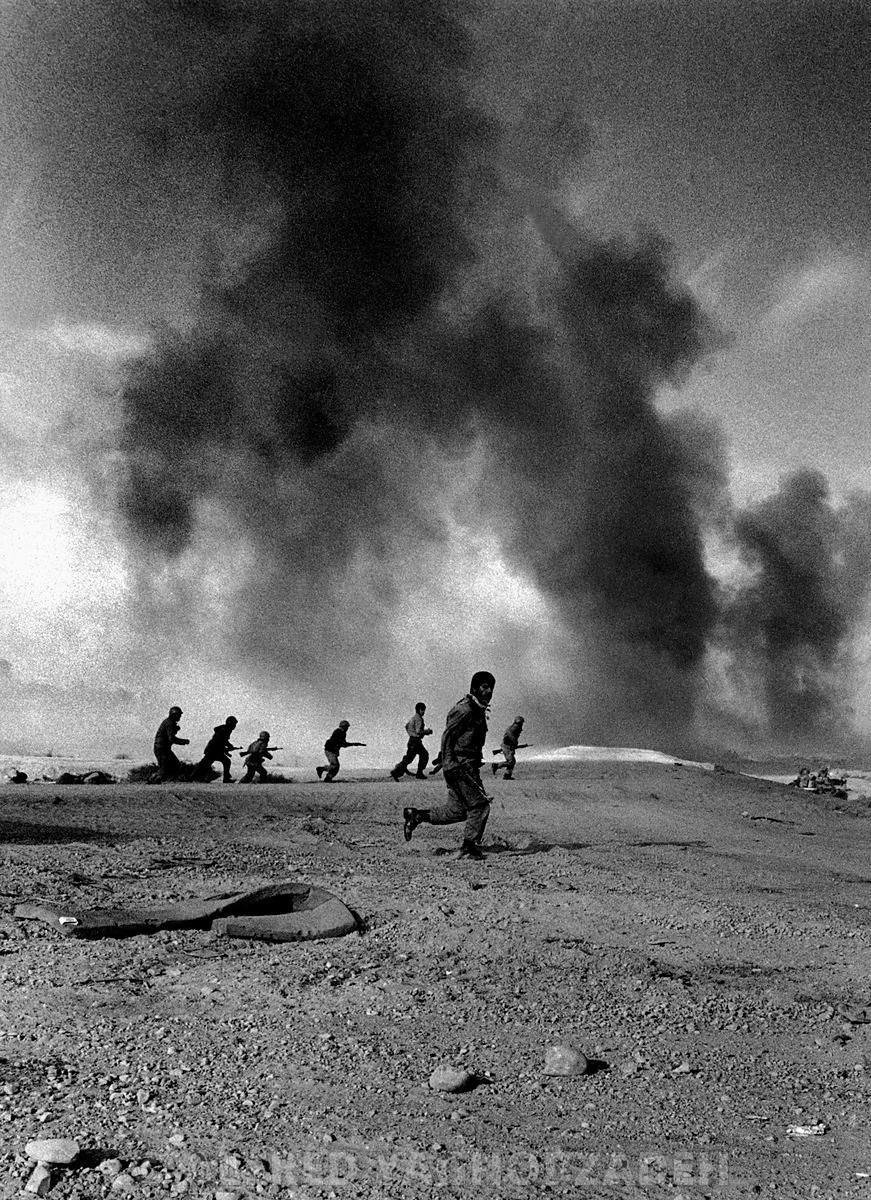
The completion of 100 days of warfare in the Middle East highlights a profound divergence between different segments of the global financial system. On one hand, equity investors have largely adapted to the crisis; a relentless global demand for computing capacity and massive capital injections into AI infrastructure have heavily boosted semiconductor firms, uplifting export-reliant economies like South Korea and Taiwan. Furthermore, because the US is substantially self-sufficient in oil production, the world's largest economy has been shielded from immediate catastrophe. On the other hand, the reality of a nearly blocked Strait of Hormuz continues to choke central energy routes, leaving international benchmarks like Brent Crude and WTI trading significantly higher than their pre-conflict levels. This has induced a structural shift toward long-term inflation, driving up the costs of aviation fuel, gas, and petrol worldwide. With 30-year US Treasury yields recently touching post-2008 financial crisis highs and British 'Gilts' facing fierce selling pressure, the bond market is signaling genuine alarm over persistent high interest rates and supply chain bottlenecks. Energy analysts warn that if global inventories draw down critically through June, crude prices could easily breach $100 per barrel once again, making the swift and secure reopening of global shipping straits absolutely vital.