Navratri Begins with Ghatasthapana: Devotees Sow Jamara to Welcome Goddess Durga
Navratri begins today with Ghatasthapana, the sacred ritual of sowing barley seeds to grow Jamara, a symbol of prosperity, good fortune, and blessings. Devotees across Nepal perform special prayers to Goddess Durga, marking the beginning of nine days of religious observance and worship.
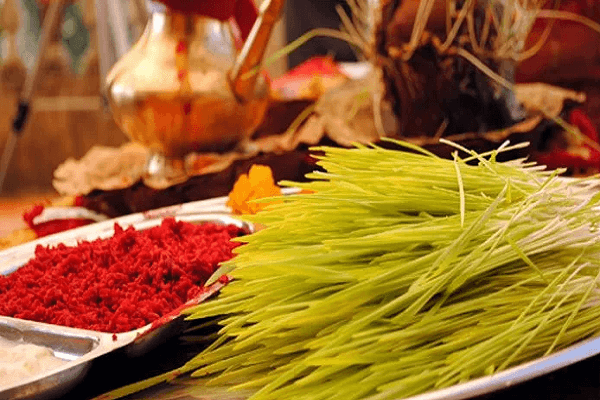
Navratri, one of Nepal’s most significant Hindu festivals, begins today with Ghatasthapana, the ritual of establishing a sacred vessel and sowing barley seeds to grow Jamara. On the first day, devotees complete their morning rituals and collect clean soil or sand from a nearby river or other sacred place. The soil is placed in a purified worship room or Dashain Ghar, where barley seeds, known as Yav, are sown according to traditional religious practices. The yellow Jamara is considered sacred and is offered to Goddess Durga before being received as a blessing alongside Tika on Vijaya Dashami, symbolizing prosperity, good fortune, and well-being. Although barley is traditionally prescribed for growing Jamara, some families also sow other grains according to their ancestral customs. Jamara is also valued for its traditional medicinal uses. During Ghatasthapana, devotees establish a sacred Kalash, or ritual water vessel, and worship Goddess Durga with devotion. The sacred water is preserved throughout the festival and used in religious rituals, including the reception of blessings on Vijaya Dashami. The auspicious time for Ghatasthapana today is scheduled for 11:47 a.m. Throughout the nine days of Navratri, devotees worship the three principal forms of the Goddess: Mahakali, symbolizing power and strength; Mahalakshmi, representing wealth, prosperity, and abundance; and Mahasaraswati, associated with knowledge, wisdom, and learning. The festival also commemorates the divine forms assumed by Goddess Durga to defeat demonic forces, including Chanda, Munda, Shumbha, Nishumbha, and Raktabija. Special prayers and rituals are performed throughout the Navratri period, reflecting the triumph of good over evil and the enduring importance of faith, devotion, and spiritual renewal in Hindu tradition.