Strait of Hormuz to Reopen as Washington and Tehran Agree to Interim Peace Framework
The United States and Iran have signed a landmark initial peace agreement that takes immediate effect, aiming to end ongoing hostilities by reopening the critical Strait of Hormuz and lifting major economic sanctions. However, the core issue of Iran's nuclear program remains unresolved, leaving both nations on high alert during a strict 60-day negotiation window.
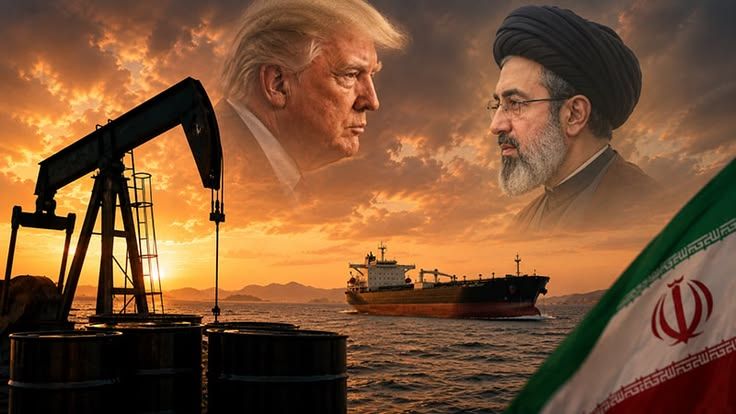
In a significant diplomatic development, United States President Donald Trump and Iranian President Masoud Pezeshkian have signed a preliminary peace agreement aimed at immediately halting military operations between the two nations. Initiated on the sidelines of the G7 summit in France, the interim deal outlines an immediate reopening of the strategically vital Strait of Hormuz and establishes a $300 billion (£224 billion) international framework for the reconstruction of Iran. In exchange, the United States has agreed to terminate its extensive naval blockade and roll back all types of economic sanctions, allowing Iran to resume standard oil and petrochemical exports. China Daily+ 2 Despite the sweeping economic and maritime provisions of the memorandum, the underlying catalyst for the conflict—Iran's nuclear enrichment program—remains unfinalized. Both administrations have deferred this critical issue to an extendable 60-day diplomatic window, during which definitive terms must be negotiated. While President Trump defended the initial accord as a necessary measure to avert a global "economic catastrophe," he issued a stern warning that the U.S. would resume heavy bombing campaigns if a final, comprehensive deal fails to materialize. Council on Foreign Relations+ 1 The political atmosphere surrounding the signing remains heavily strained by mutual distrust. Tehran officially confirmed President Pezeshkian's signature on Wednesday, but top Iranian officials have signaled readiness to pivot back to military options. Mohammad Bagher Ghalibaf, Iran’s parliamentary speaker and a key negotiator, publicly emphasized that the Islamic Republic remains highly skeptical of Washington's long-term commitments, warning state media that Iran's "finger is on the trigger" and that they are prepared to answer with the "language of power" if diplomacy fails.