Flood Shock Spreads Beyond Affected Hydropower Stocks
The Rasuwa floods directly damaged seven hydropower companies, but uncertainty surrounding reconstruction, insurance claims, and future earnings has dragged down the broader market and intensified selling pressure across several sectors.
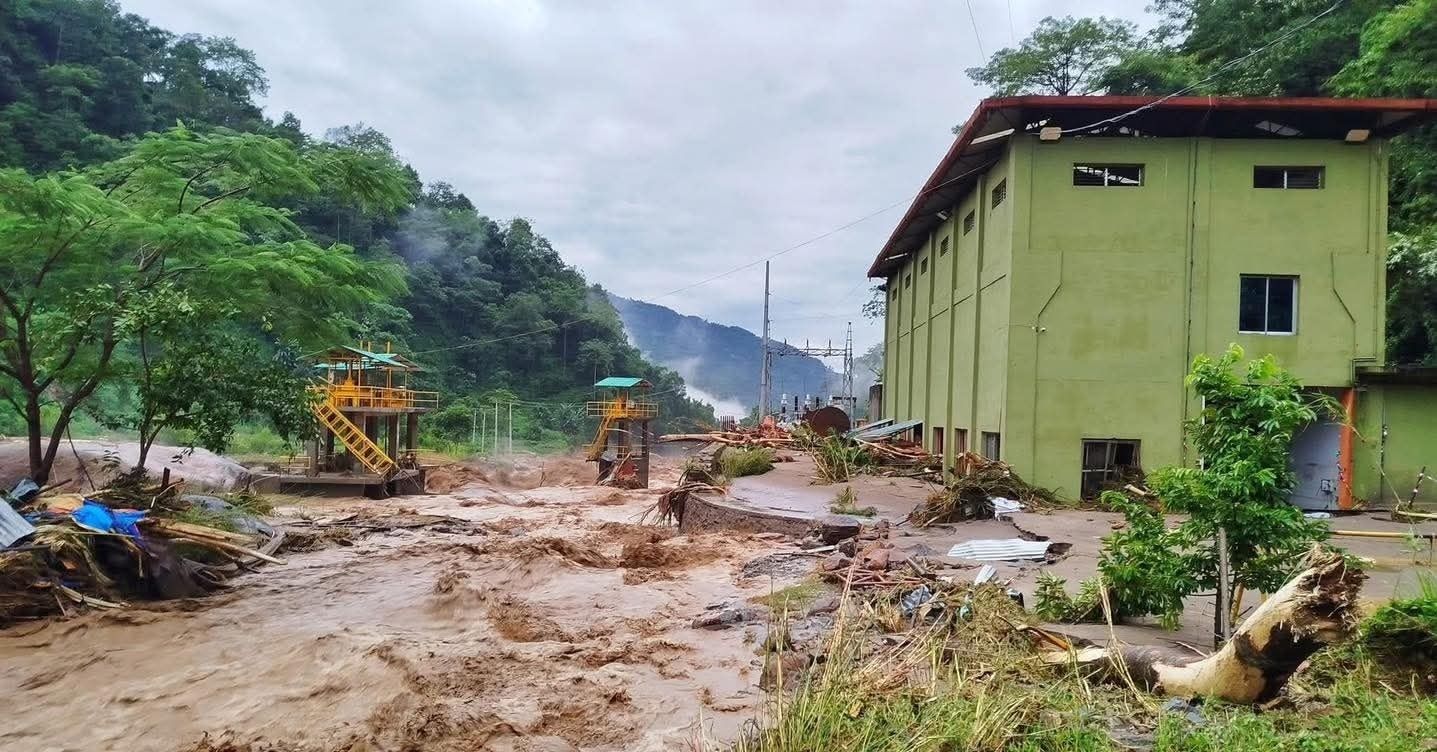
The Rasuwa floods directly damaged seven hydropower companies, but uncertainty surrounding reconstruction, insurance claims, and future earnings has dragged down the broader market and intensified selling pressure across several sectors. Seven Companies Hit, But Market Feels the Shock The broader market has also come under pressure following the floods. Between August 25 and September 7, the NEPSE index declined from 2,594.27 to 2,560.84 points, representing a 1.28% drop. Among the sectoral indices, the Non-Life Insurance index recorded the sharpest decline, falling 8.26%. The Hydropower index dropped 4.11%, while the Others group declined 4.31%. Mutual Funds fell 3.62%, Life Insurance declined 2.22%, Finance dropped 1.48%, Hotels and Tourism decreased 1.07%, and Microfinance slipped 0.55%. The Development Bank sector also recorded a modest decline of 0.33%. However, not all sectors moved lower. The Manufacturing and Processing index gained 3.25%, while Banking rose 0.69%, Trading increased 0.64%, and the Investment sector edged up 0.01%. Fear of the Unknown Becomes the Bigger Risk The market reaction suggests that investor sentiment, rather than the actual physical damage alone, is driving the recent volatility. Although selling pressure in directly affected companies is understandable, the decline in other hydropower stocks indicates that investors are increasingly viewing the floods as a broader sectoral risk. Investors are closely watching three major factors: how long it will take for damaged projects to resume operations, how much compensation insurers will provide, and the actual cost of reconstruction. With limited clarity on these issues, risk-averse investors appear to be adopting a wait-and-see approach, selling first and reassessing their positions once more reliable information becomes available. The high participation of retail investors in Nepal’s hydropower stocks may also be amplifying the psychological impact. A natural disaster affecting a handful of projects can quickly transform from an individual company risk into a perceived sector-wide threat, putting additional pressure on hydropower stocks. Insurance Sector Adds Another Layer of Concern The decline in the Non-Life Insurance index highlights another dimension of the flood-related risk. Damage to hydropower infrastructure can translate into significant insurance claims, potentially affecting insurers’ financial performance and increasing reinsurance liabilities. As a result, investor concerns are not limited to whether hydropower projects can resume generation. The potential size of insurance claims, the extent of reinsurance coverage, and the ultimate impact on insurers’ profitability have also become important considerations. These concerns appear to have contributed to the stronger selling pressure in the non-life insurance sector. Uncertainty, Not Just Physical Damage, Shakes the Market The market performance since the floods highlights a key distinction: while the physical impact has been concentrated among seven hydropower companies, the psychological impact has spread much further. None of the seven directly affected hydropower companies recorded a gain between August 25 and September 7. Yet the overall NEPSE index declined by only 1.28% during the same period. This suggests that although investors have taken the flood-related risks seriously, the broader market has not yet interpreted the event as a systemic threat to the entire stock market. The next direction of the affected stocks will likely depend on clearer information regarding the extent of damage, project restoration timelines, insurance settlements, and reconstruction expenses. Greater clarity could ease investor concerns, while damage or financial losses exceeding initial expectations could keep pressure on the affected companies for longer.